72 Microseasons of the Pacific Northwest
19/72: Mar 31 to Apr 4
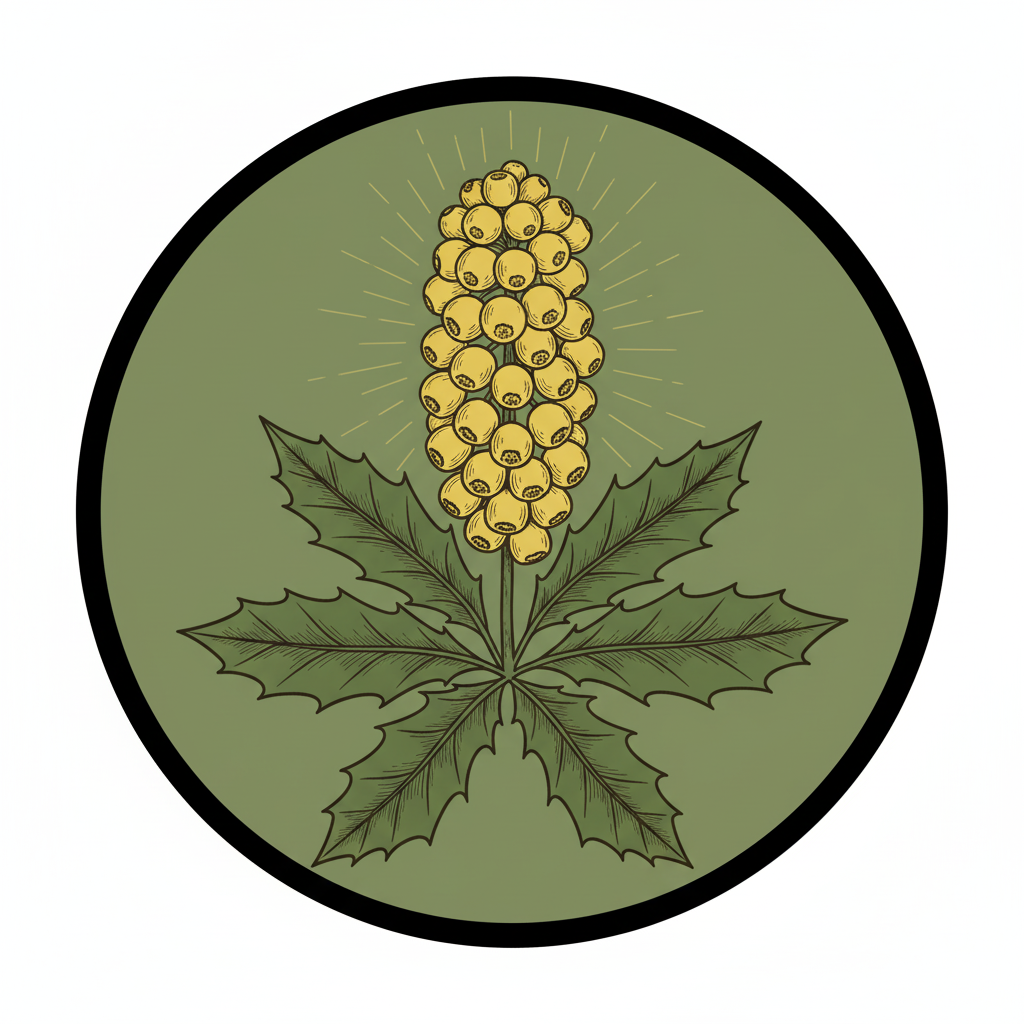
Oregon grape glows golden. Honey-scented clusters light the shadowed woods.
What the season brings?
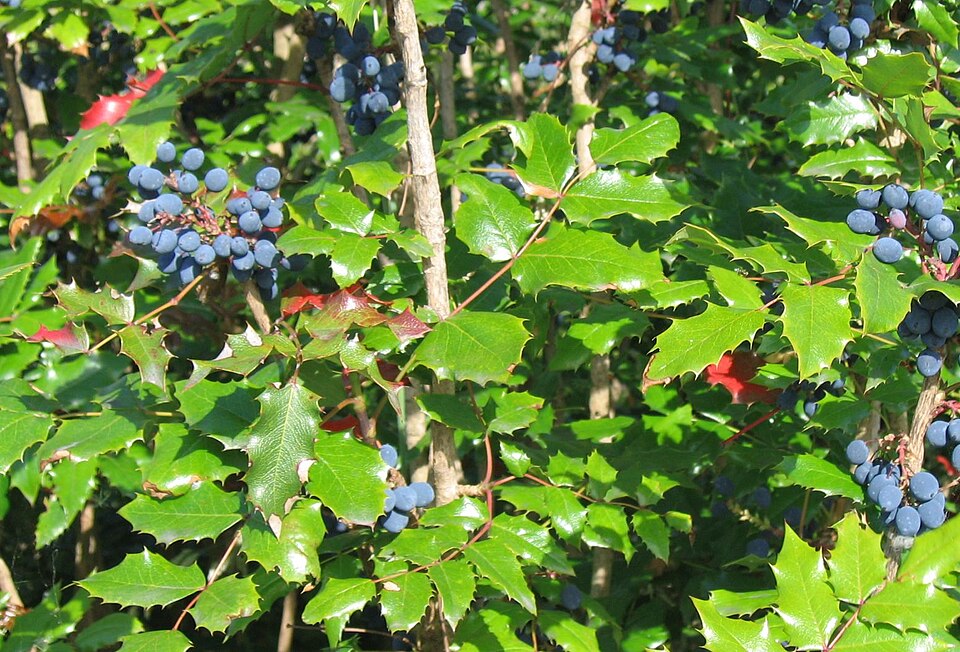
Late March through early April brings the spectacular flowering of Oregon grape (Mahonia aquifolium and M. nervosa), Washington's official state flower, with bright golden-yellow flower clusters that light up shaded forests. These evergreen shrubs produce dense racemes of honey-scented flowers that attract early-season bees, butterflies, and other pollinators. Tall Oregon grape (M. aquifolium) grows 3-6 feet with glossy, holly-like leaves, while low Oregon grape (M. nervosa) forms ground-covering colonies in deep forest shade. The flowers develop into edible blue-purple berries by summer, which were traditionally used by indigenous peoples for food and medicine. Oregon grape's roots contain berberine, a compound with antimicrobial properties still used in herbal medicine today. Look for these brilliant yellow displays in coniferous forests, mixed woodlands, and native plant gardens throughout the Pacific Northwest.
Foods to Mark the Season
Yellow morel season moves into full swing in river valleys—Columbia and Willamette riverside cottonwood zones are the premier morel habitat in the Pacific Northwest. Salmonberry (*Rubus spectabilis*) shoots are edible spring greens before the plant flowers. Fiddleheads remain harvestable at mid-elevations, and Columbia River spring Chinook is at or near its lower-river peak.
This Season’s Podcast
Oregon Grape: From Psoriasis to Purple Curd
Oregon grape's golden flowers and tart blue berries have fed and healed Pacific Northwest communities for centuries — from Indigenous medicine to modern kitchens.
Frequently Asked Questions
Visions of the Season
Read more
Each microseason is approximately 5 days, marking the subtle changes in nature throughout the year.