Chanterelles Push Through
Chanterelles Push Through
44/72: Aug 8 to 12
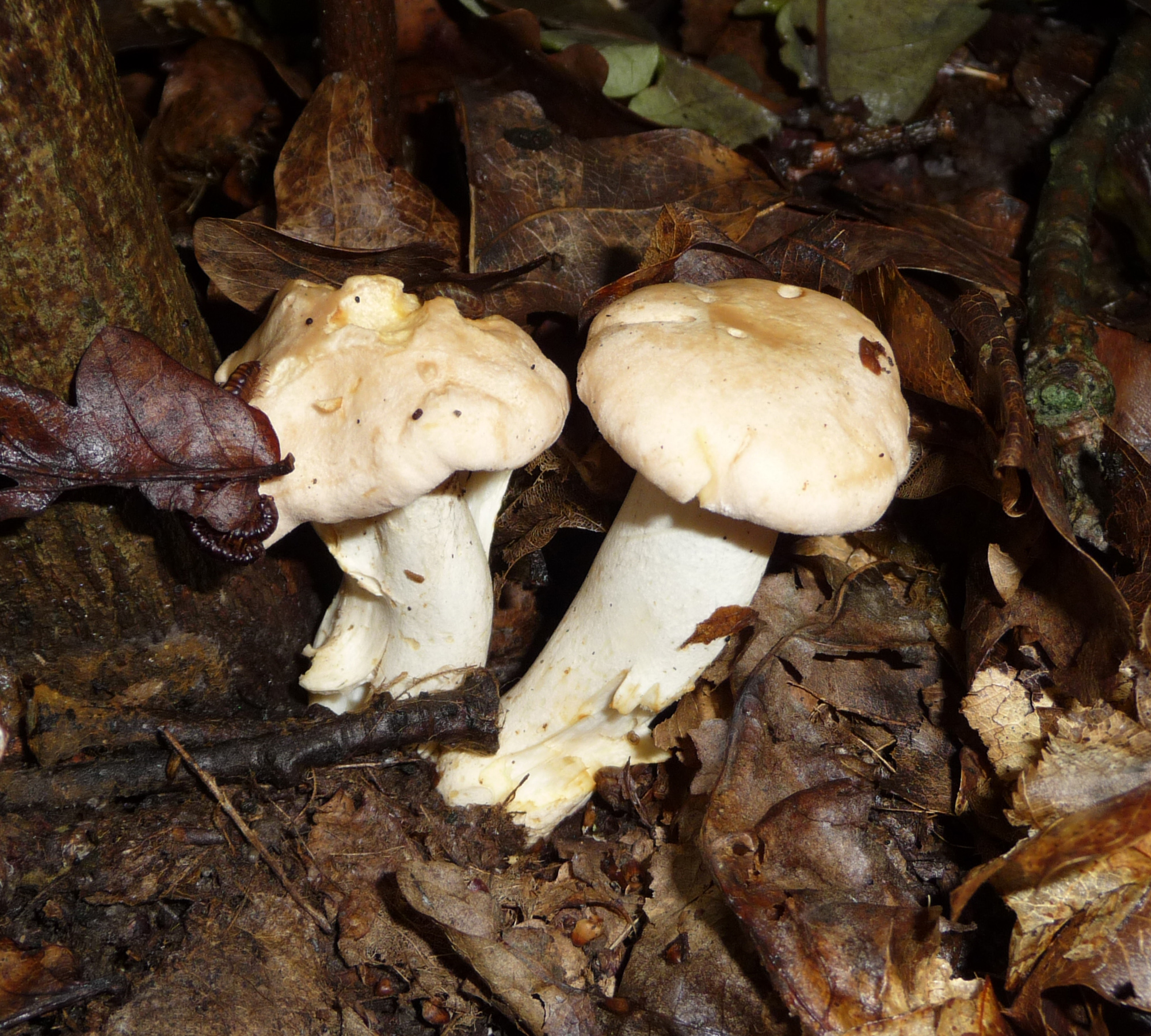
First chanterelles push through the duff. Golden trumpets before the deluge.

風物詩 · Fūbutsushi
The first chanterelle of the season pushed up from August duff — golden and solitary, the mycorrhizal network announcing what is coming.
物の哀れ · Mono no Aware
These early ones appeared from a single summer thunderstorm. They will not last. The real flush waits for September rains — for now, just a few, just the beginning.
What the season brings?
Mid-August brings the first chanterelle mushrooms (Cantharellus species) to Pacific Northwest forests, though these early fruitings are often limited until fall rains arrive. Pacific golden chanterelles (C. formosus) and other species begin appearing in coniferous forests, particularly under Douglas-fir, western hemlock, and true firs where they form mycorrhizal relationships with tree roots. These prized edible mushrooms are unmistakable with their golden-yellow color, vase-like shape, false gills (blunt ridges), and fruity apricot aroma. Early August chanterelles typically appear in moist micro-habitats like north-facing slopes, stream margins, and areas that received summer thunderstorms. The real chanterelle abundance comes with September-October rains, but these early fruiting bodies signal the approaching mushroom season and provide experienced foragers with first harvests before the crowds arrive.
Convergence chain
Triggered by
High-elevation chanterelles (above 2,000 feet) respond to the first summer thunderstorms or marine push events that break the drought at altitude; soil temperature at elevation stays below 18°C even in summer — the thermal trigger is already met — so moisture alone activates the mycelium
Enables
High-elevation chanterelle fruiting indicates mycorrhizal networks at elevation are functioning; deer mice cache chanterelles in bark crevices, spreading spores; the early high-elevation flush signals that lowland chanterelles will follow after first significant lowland rains; foragers find high-elevation chanterelles in August and note locations for the October lowland flush
The cascade
First summer rain at elevation above 2,000 feet → chanterelle mycelium activates → fruiting bodies appear in hemlock-fir forest → deer mice locate and cache pieces in branch crevices → spores establish new patches → foragers mark locations → these same elevation zones will see matsutake follow chanterelles by 4-6 weeks → the sequence mirrors the pattern of first rains moving down the mountains through fall
Foods to Mark the Season
Cascade huckleberries (*Vaccinium membranaceum*) are in prime season from 2,000–5,000 ft—Mt. Adams and Gifford Pinchot National Forest are major picking destinations, continuing a tradition important to Columbia Plateau tribes who harvested and dried huckleberries for winter. Pink salmon runs are at or near peak in Puget Sound (odd years). Early golden chanterelles appear after summer rains in coastal forests.
Frequently Asked Questions
Visions of the Season
Read more
Each microseason is approximately 5 days, marking the subtle changes in nature throughout the year.