Mourning Cloaks Dance
Mourning Cloaks Dance
13/72: Mar 1 to 5
Mourning cloaks dance on warm afternoons. Winter-worn wings catching first true warmth.
風物詩 · Fūbutsushi
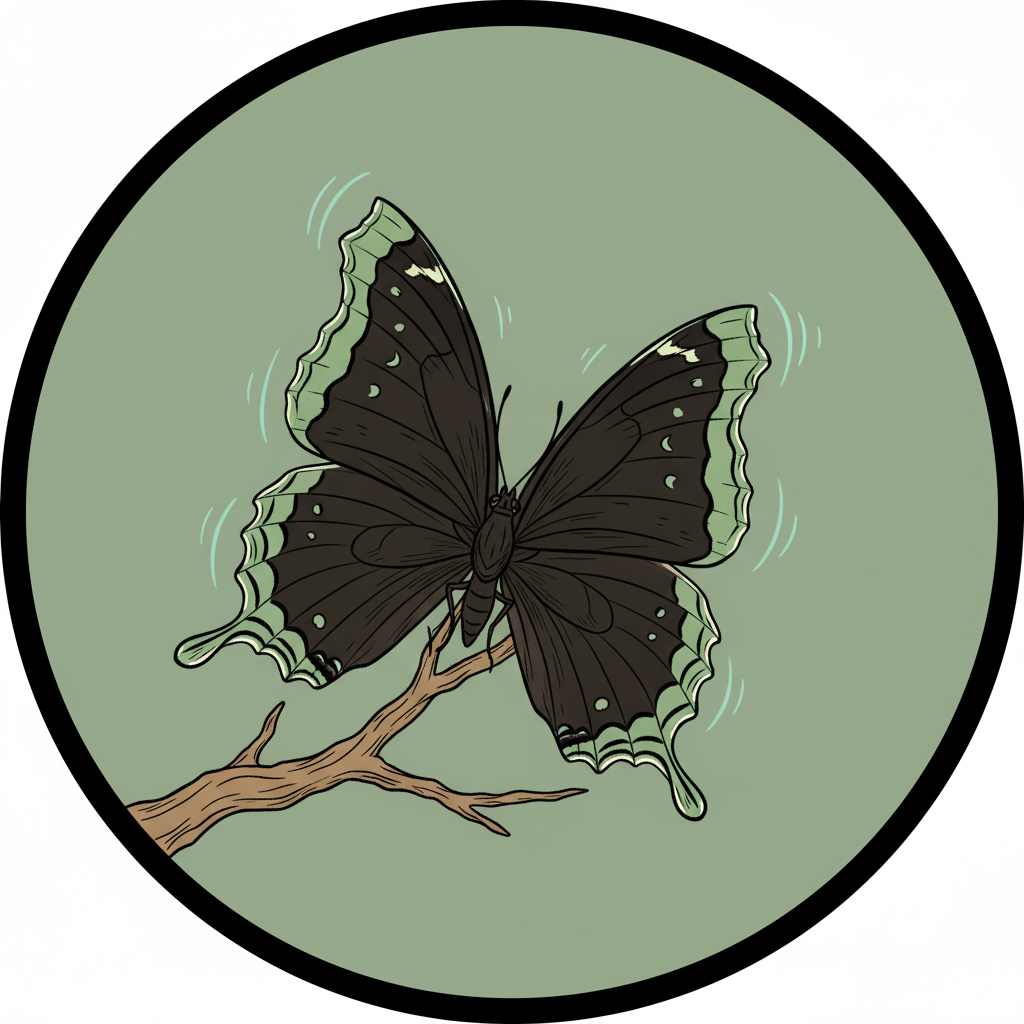
A mourning cloak butterfly basking on sun-warmed bark in March — dark wings edged in gold, alive before any other butterfly has hatched.
物の哀れ · Mono no Aware
These wings survived winter inside a bark crevice. They will not survive summer — this is their only spring, already half gone.
What the season brings?
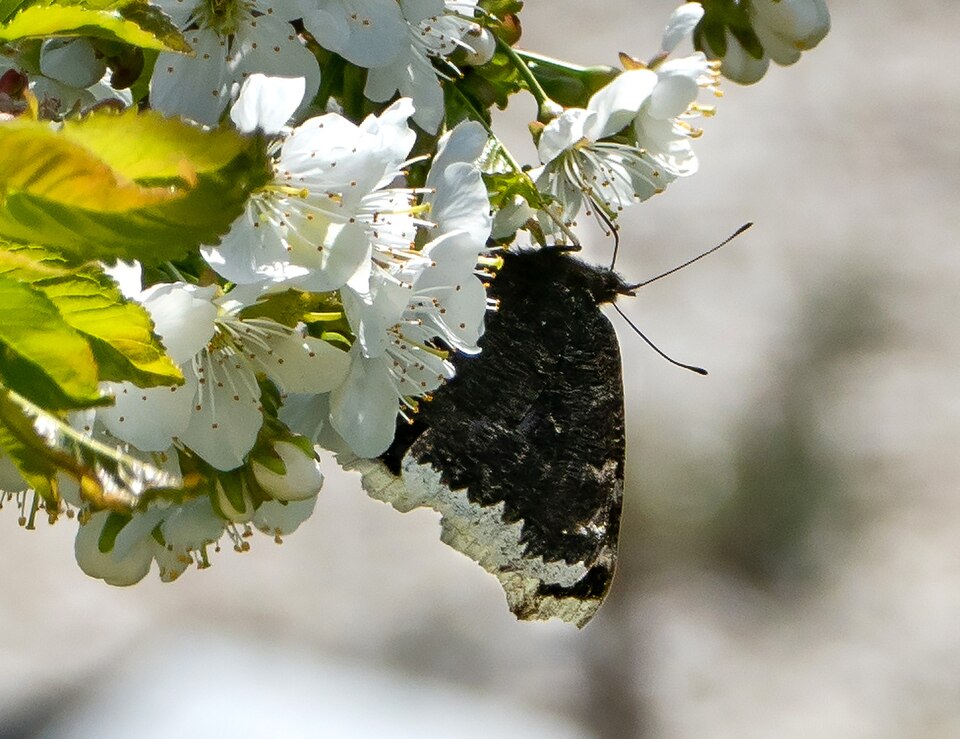
Early March brings the emergence of mourning cloak butterflies (Nymphalis antiopa), which overwinter as adults and are among the first butterflies to appear in spring. These large, distinctive butterflies have dark maroon-brown wings edged with bright yellow borders and rows of iridescent blue spots. On the first warm, sunny afternoons (temperatures above 50-55°F), mourning cloaks emerge from their winter hiding places in tree bark crevices and woodpiles to bask in sunny spots and feed on tree sap, rotting fruit, and early flowers. Their winter-worn wings often show tattered edges from months of dormancy, but they fly strongly in search of mates and food sources. Look for these beautiful insects along forest edges, in parks, and near streams throughout the Pacific Northwest lowlands.
Convergence chain
Triggered by
Nymphalis antiopa (mourning cloak) is one of very few PNW butterflies that overwinters as an adult, sheltering in tree bark crevices and hollow logs; adults emerge when air temperature exceeds 10°C — often the same day as the first sustained warmth, making them the most immediate and reliable phenological indicator of true spring
Enables
Mourning cloaks are the first large nectaring insects of the year, visiting willow and cottonwood catkins for pollen and sap; their territorial flights along sun-exposed forest edges signal warming to early-returning violet-green swallows; the open wings absorb solar radiation to warm flight muscles, demonstrating the thermal microhabitat structure that insect communities will exploit all spring
The cascade
March sun warms south-facing bark above 10°C → mourning cloaks emerge from bark crevices → they feed on willow catkin pollen and tree sap → first large insects visible on warm days → violet-green swallows arriving from California follow the same sun-exposed corridors → willow and alder catkins reach peak pollen → bumblebee queens follow one week later → the season of visible insect life opens from this first wing-flash of orange and black
Foods to Mark the Season
Lady fern fiddleheads begin emerging in the earliest lowland sites—the tightly coiled young fronds of the northwest lady fern (*Athyrium filix-femina*) are harvestable from early March when still tightly wound. Spring Chinook salmon ("springers") are entering the Columbia in fishable numbers, with the fishery typically opening in late February or early March.
Events This Season
Statewide WA, March–April. WABA members log early emerging butterflies including mourning cloaks during the first warm days of spring. A citizen science tradition that fixes each year's first sighting on the record.
events / washington / washington-butterfly-association-spring-surveys →Chapters statewide, March. Guided early-spring botanical hikes through forest edges and south-facing slopes frequently encounter mourning cloaks basking on sun-warmed bark and rocks. Open to the public.
events / washington / washington-native-plant-society-hikes →Frequently Asked Questions
Visions of the Season
Read more
Each microseason is approximately 5 days, marking the subtle changes in nature throughout the year.