72 Microseasons of the Pacific Northwest
13/72: Mar 1 to 5
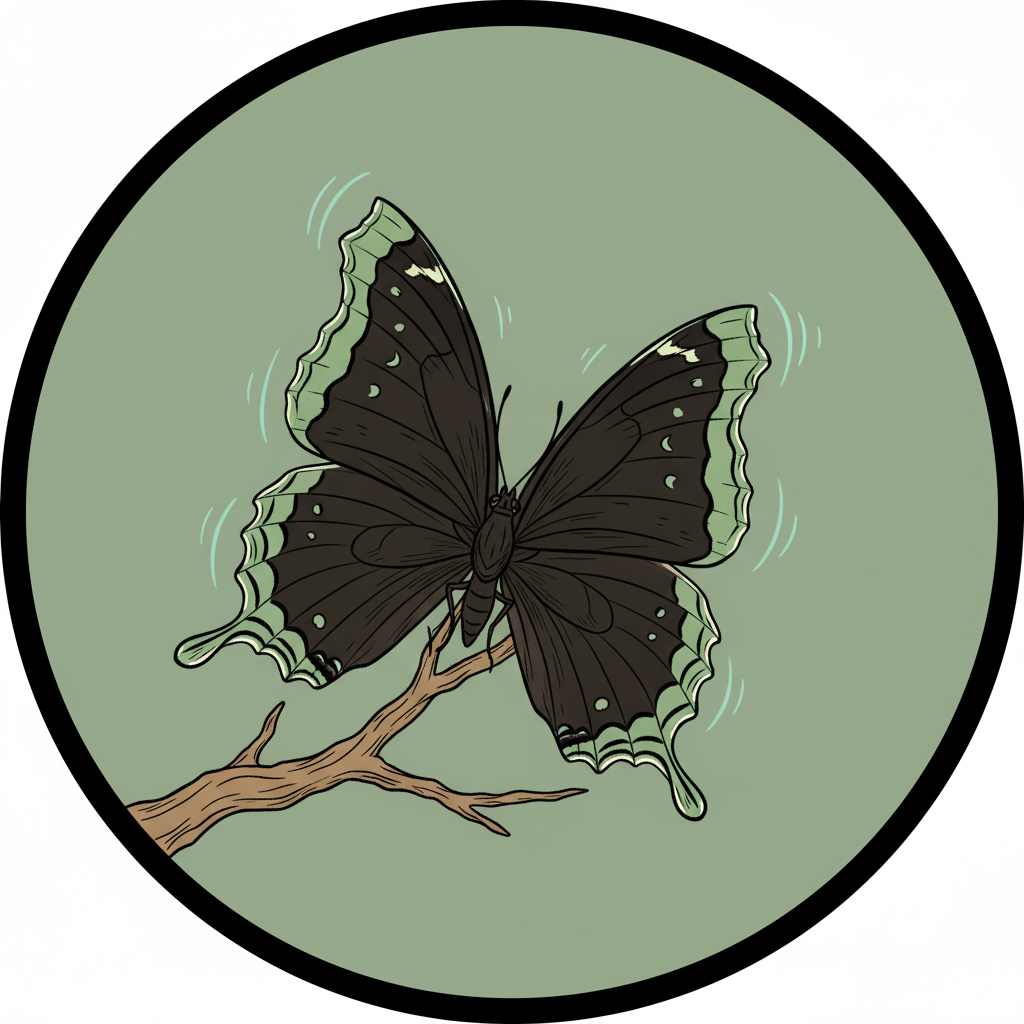
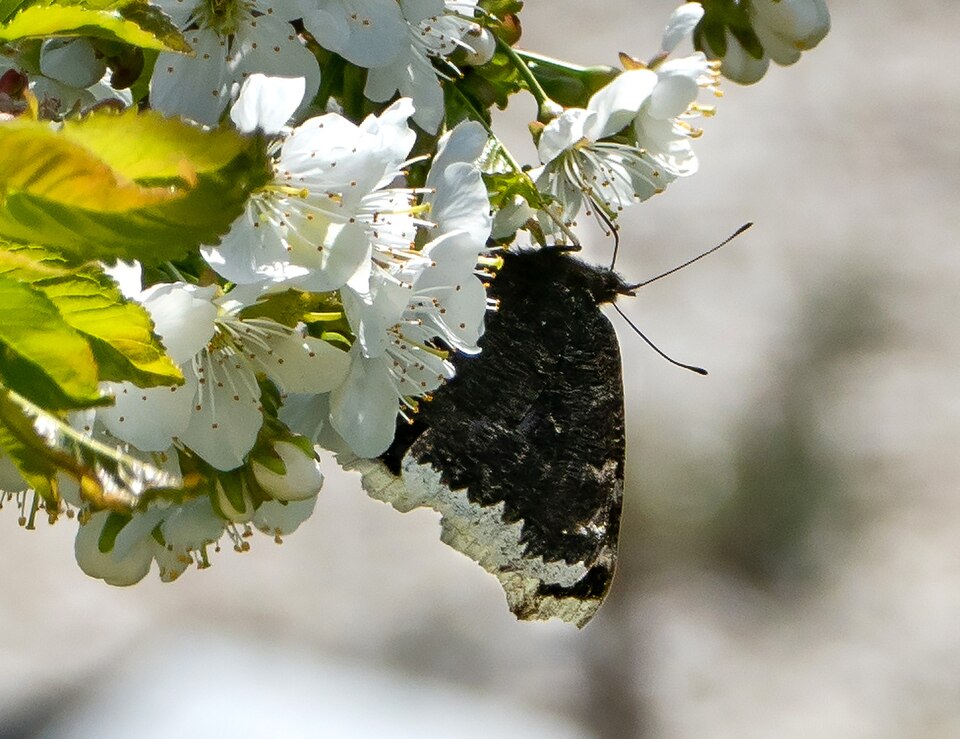
Mourning cloaks dance on warm afternoons. Winter-worn wings catching first true warmth.
What the season brings?
Early March brings the emergence of mourning cloak butterflies (Nymphalis antiopa), which overwinter as adults and are among the first butterflies to appear in spring. These large, distinctive butterflies have dark maroon-brown wings edged with bright yellow borders and rows of iridescent blue spots. On the first warm, sunny afternoons (temperatures above 50-55°F), mourning cloaks emerge from their winter hiding places in tree bark crevices and woodpiles to bask in sunny spots and feed on tree sap, rotting fruit, and early flowers. Their winter-worn wings often show tattered edges from months of dormancy, but they fly strongly in search of mates and food sources. Look for these beautiful insects along forest edges, in parks, and near streams throughout the Pacific Northwest lowlands.
Foods to Mark the Season
Lady fern fiddleheads begin emerging in the earliest lowland sites—the tightly coiled young fronds of the northwest lady fern (*Athyrium filix-femina*) are harvestable from early March when still tightly wound. Spring Chinook salmon ("springers") are entering the Columbia in fishable numbers, with the fishery typically opening in late February or early March.
Frequently Asked Questions
Visions of the Season
Read more
Each microseason is approximately 5 days, marking the subtle changes in nature throughout the year.