72 Microseasons of the Pacific Northwest
16/72: Mar 16 to 20
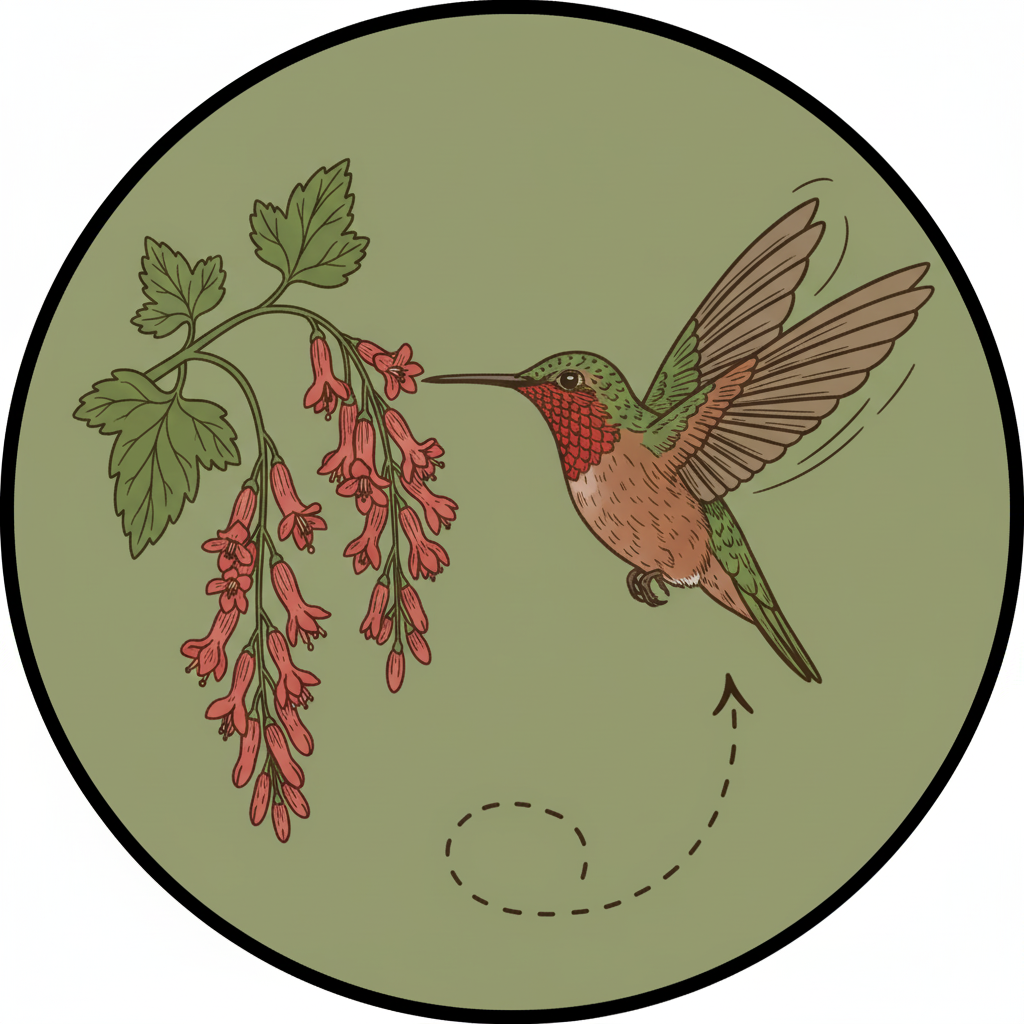
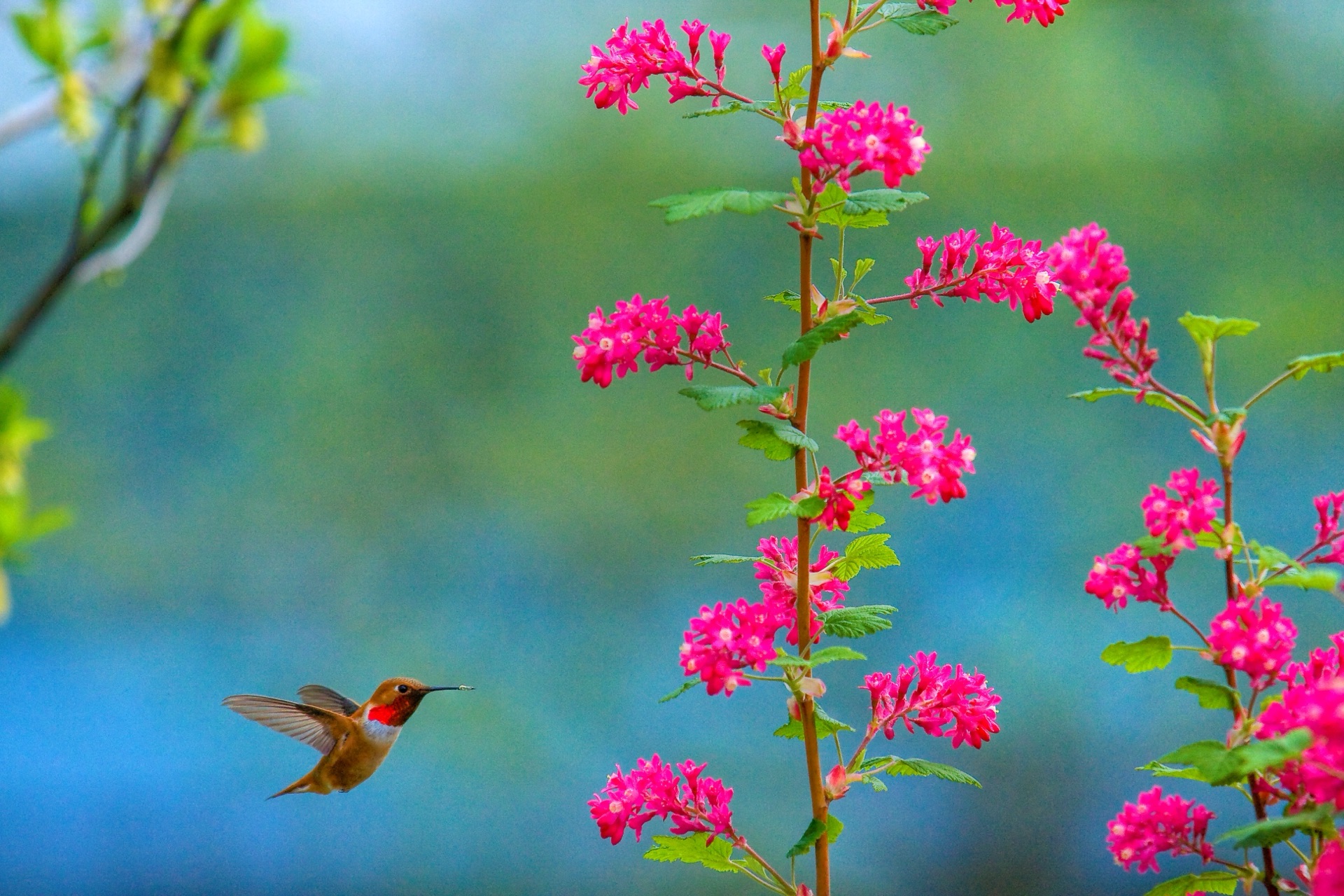
Hummingbird scouts return from Mexico. Rufous males seek the currant's red nectar.
What the season brings?
Mid to late March brings the return of rufous hummingbird (Selasphorus rufus) scouts to the Pacific Northwest, with males arriving first to establish territories before females follow 1-2 weeks later. These tiny migrants travel over 3,000 miles from their Mexican wintering grounds, timing their arrival to coincide with the blooming of red flowering currant, their primary early-season nectar source. Male rufous hummingbirds display brilliant orange-red gorgets (throat feathers) and are highly territorial, aggressively defending flowering plants and feeders. Watch for their spectacular courtship displays, where males perform steep U-shaped dives, producing loud wing trills at the bottom of each dive. Rufous hummingbirds are among the longest-distance migrants relative to body size of any bird species, and their arrival signals the full awakening of Pacific Northwest spring.
Foods to Mark the Season
Morel mushrooms (*Morchella* spp.) begin emerging in riparian zones—look along sandy riverbanks near cottonwood groves, the classic Pacific Northwest yellow morel habitat. Fiddleheads remain widely available in damp woodland sites throughout the Olympics and western Cascades, and WDFW typically schedules razor clam digs around mid-to-late March on Washington ocean beaches.

This Season’s Podcast
The High Stakes Life of Rufous Hummingbirds
Rufous hummingbirds travel over 3,000 miles from Mexico, arriving just as the red flowering currant blooms. We follow their high-stakes return to the Pacific Northwest.
Frequently Asked Questions
Visions of the Season
Read more
Each microseason is approximately 5 days, marking the subtle changes in nature throughout the year.