72 Microseasons of the Pacific Northwest
21/72: Apr 10 to 14
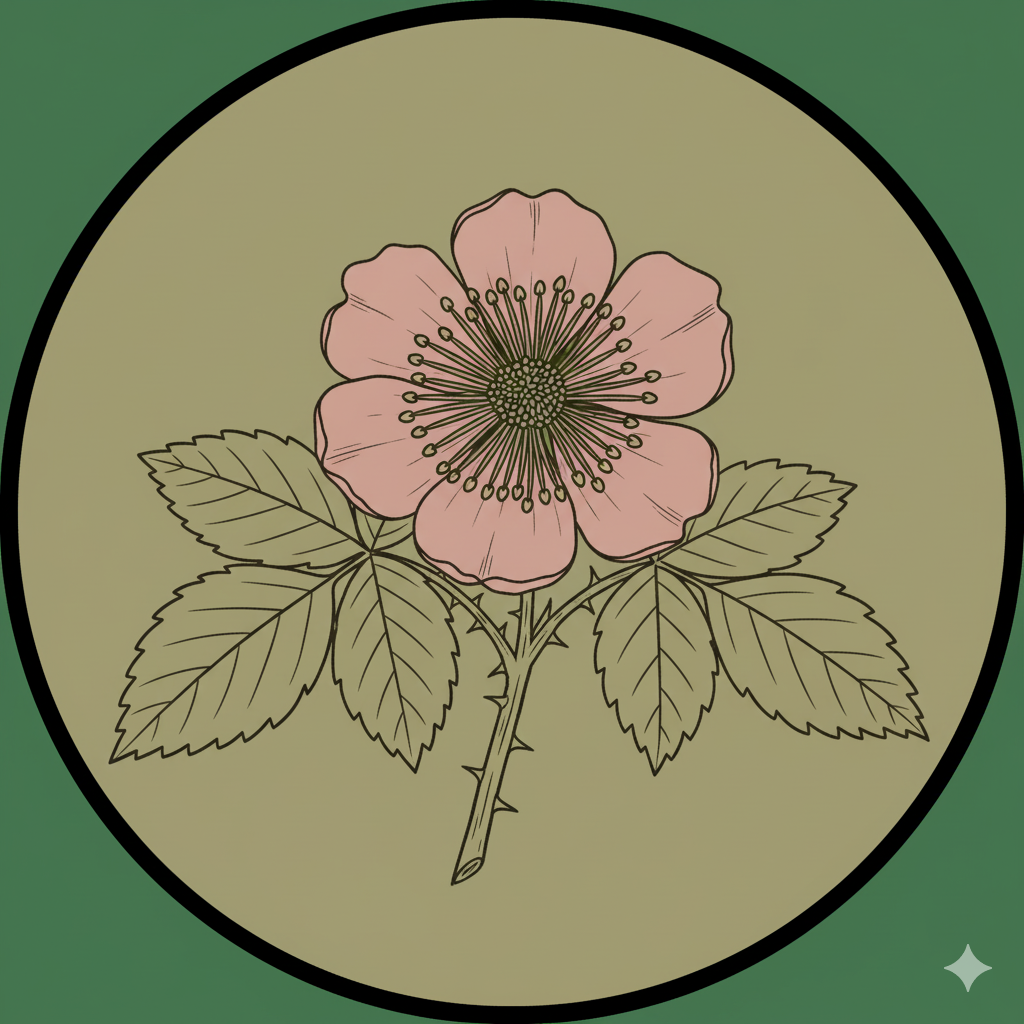
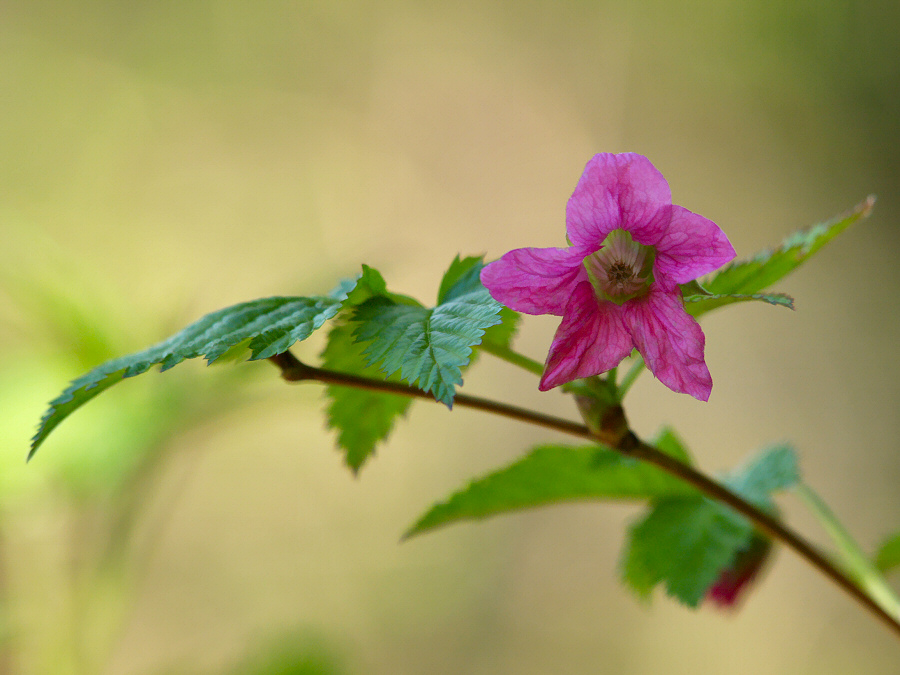
Salmonberry blushes pink. Named for the fish that return with its flowering.
What the season brings?
Mid-April brings the flowering of salmonberry (Rubus spectabilis), a common Pacific Northwest coastal shrub that produces brilliant pink-magenta flowers coinciding with the return of spring salmon runs. This cultural connection is reflected in the plant's name, used by both indigenous peoples and early settlers. The showy flowers, which can be 1-2 inches across, appear before or alongside the plant's new leaves and attract native bees, particularly bumblebees. Salmonberries grow prolifically in moist forests, along streams, and in disturbed areas from Alaska to northern California, often forming dense thickets 6-12 feet tall. By late spring and early summer, the flowers develop into soft, salmon-colored to deep red berries that were an important traditional food source. The young shoots are also edible and were eaten like asparagus by indigenous communities.
Foods to Mark the Season
Morel season shifts upward in elevation as lowlands warm; burn-site morels (black morels, *Morchella* spp.) from previous-year wildfire areas in the eastern Cascades begin appearing. First salmonberries (*Rubus spectabilis*) may ripen at warmest coastal lowland sites—one of the earliest native berries of the PNW year. Spring Chinook fishing is strong on the Willamette River above Salem through May.
This Season’s Podcast
How Salmon and Fire Engineered Forests
Salmonberry blooms as the fish return — but the connection runs deeper. Explore how salmon runs and Indigenous burning practices shaped the forests of the Pacific Northwest together.
Frequently Asked Questions
Visions of the Season
Read more
Each microseason is approximately 5 days, marking the subtle changes in nature throughout the year.