72 Microseasons of the Pacific Northwest
22/72: Apr 15 to 19
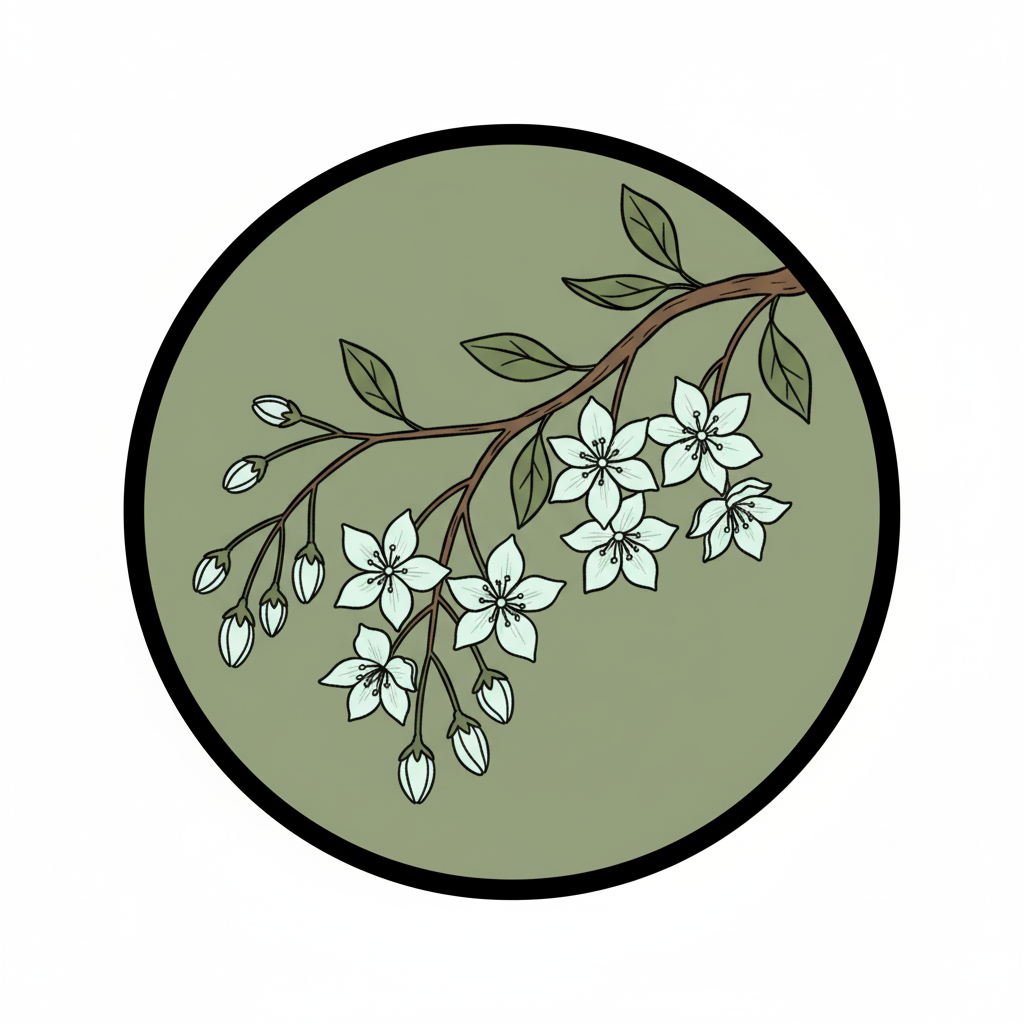
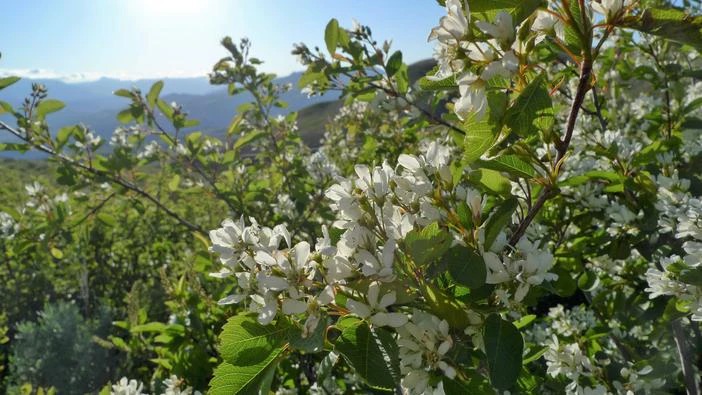
Serviceberry blooms like scattered snow. White petals in the upland sun.
What the season brings?
Mid-April brings the flowering of western serviceberry (Amelanchier alnifolia), a deciduous shrub that produces clusters of delicate white five-petaled flowers in upland areas and dry forests throughout the Pacific Northwest. Also known as Saskatoon berry, this plant blooms earlier at lower elevations and progressively later as you climb in elevation, creating a wave of white blooms moving up mountainsides through late spring. The flowers attract numerous native pollinators including mason bees, bumblebees, and butterflies. By mid to late summer, the flowers develop into small, apple-like berries that turn purple-black when ripe and were one of the most important traditional foods for indigenous peoples across western North America. Modern foragers still prize these sweet berries for fresh eating, pies, and preserves, and they remain culturally significant to many tribes.
Foods to Mark the Season
Burn-site morels become the primary morel target as lowland riparian seasons wind down—seek prior-year fire footprints in the Okanagan Highland, eastern Cascades, and Blue Mountains. Fiddleheads continue at mid-elevations in the Olympics and Cascades. Asparagus from Yakima Valley and Willamette Valley is widely available at farmers markets.
This Season’s Podcast
Serviceberries From Pemmican to Gourmet
As serviceberry blooms across upland forests, explore the deep history of this small but mighty berry — from its role as a staple in Indigenous pemmican to its rediscovery by modern foragers and chefs.
Frequently Asked Questions
Visions of the Season
Read more
Each microseason is approximately 5 days, marking the subtle changes in nature throughout the year.