72 Microseasons of the Pacific Northwest
27/72: May 10 to 14
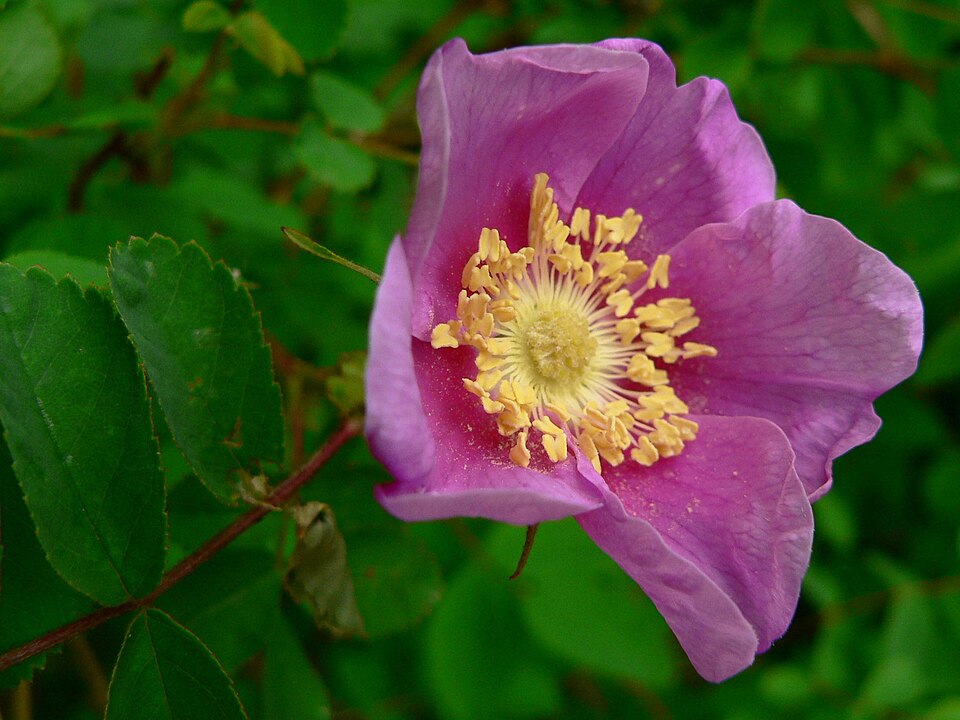
Wild roses perfume the forest edge. Nootka rose opens fragrant and deep pink.
What the season brings?
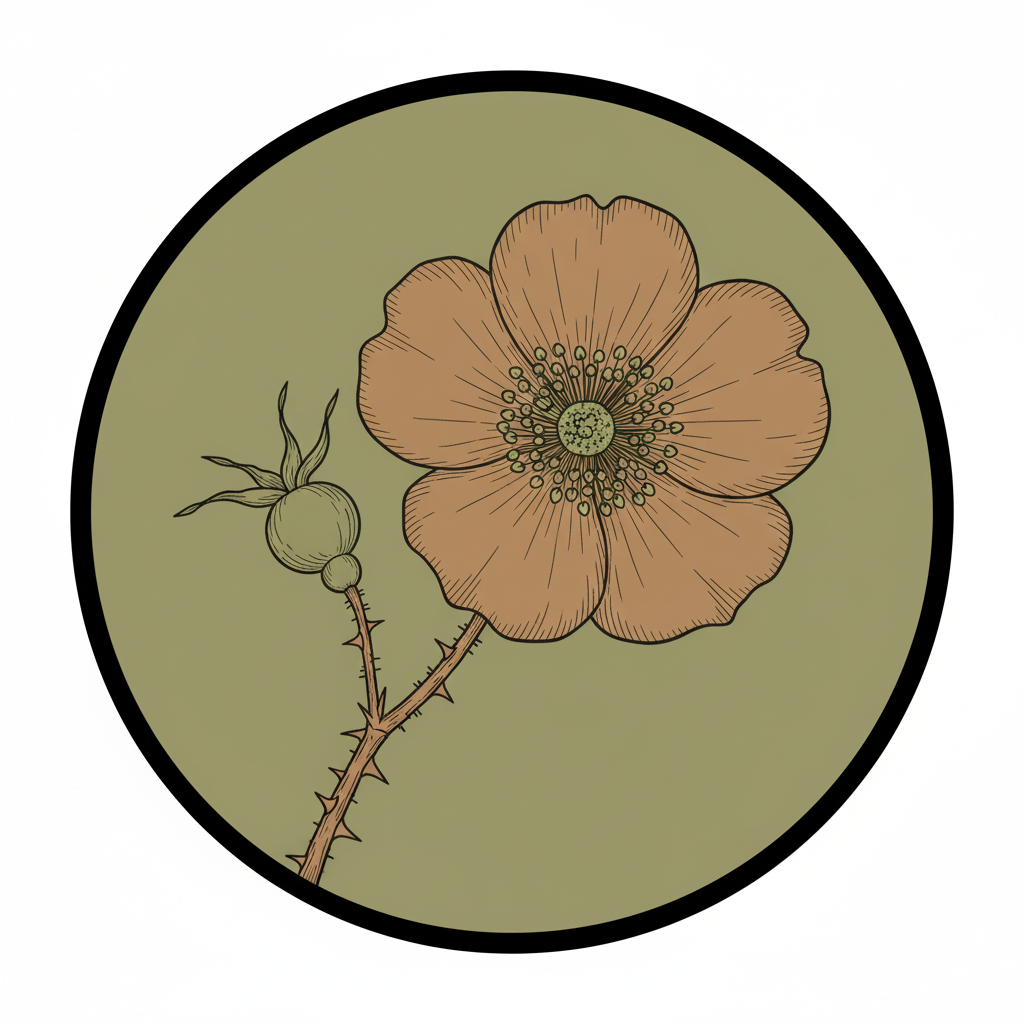
Mid-May brings the flowering of Nootka rose (Rosa nutkana) and other native wild roses across the Pacific Northwest, filling forest edges, streambanks, and meadows with fragrant deep pink flowers. Nootka rose produces large single flowers (2-3 inches across) with five pink petals and prominent yellow stamens, creating one of spring's most aromatic displays. These deciduous shrubs grow 3-9 feet tall with characteristic thorny stems and compound leaves, thriving in moist to moderately dry sites from Alaska to northern California. The flowers attract numerous native bees and other pollinators, while the bright red rose hips that develop by fall provide crucial food for birds and wildlife through winter. Indigenous peoples ate the hips fresh or dried, and the plants remain culturally important for food, medicine, and materials throughout the region.
Foods to Mark the Season
Hood Canal spot shrimp season opens in mid-May (Marine Area 12, with a narrow daily window on specific dates only)—one of the most anticipated single-day fisheries in Washington, with boats queuing before dawn for the brief opening. BC live spot prawns are available fresh from fishing boats at dockside markets. First local strawberries may appear at the warmest Willamette Valley farm stands.
Frequently Asked Questions
Visions of the Season
Read more
Each microseason is approximately 5 days, marking the subtle changes in nature throughout the year.