72 Microseasons of the Pacific Northwest
30/72: May 25 to 29
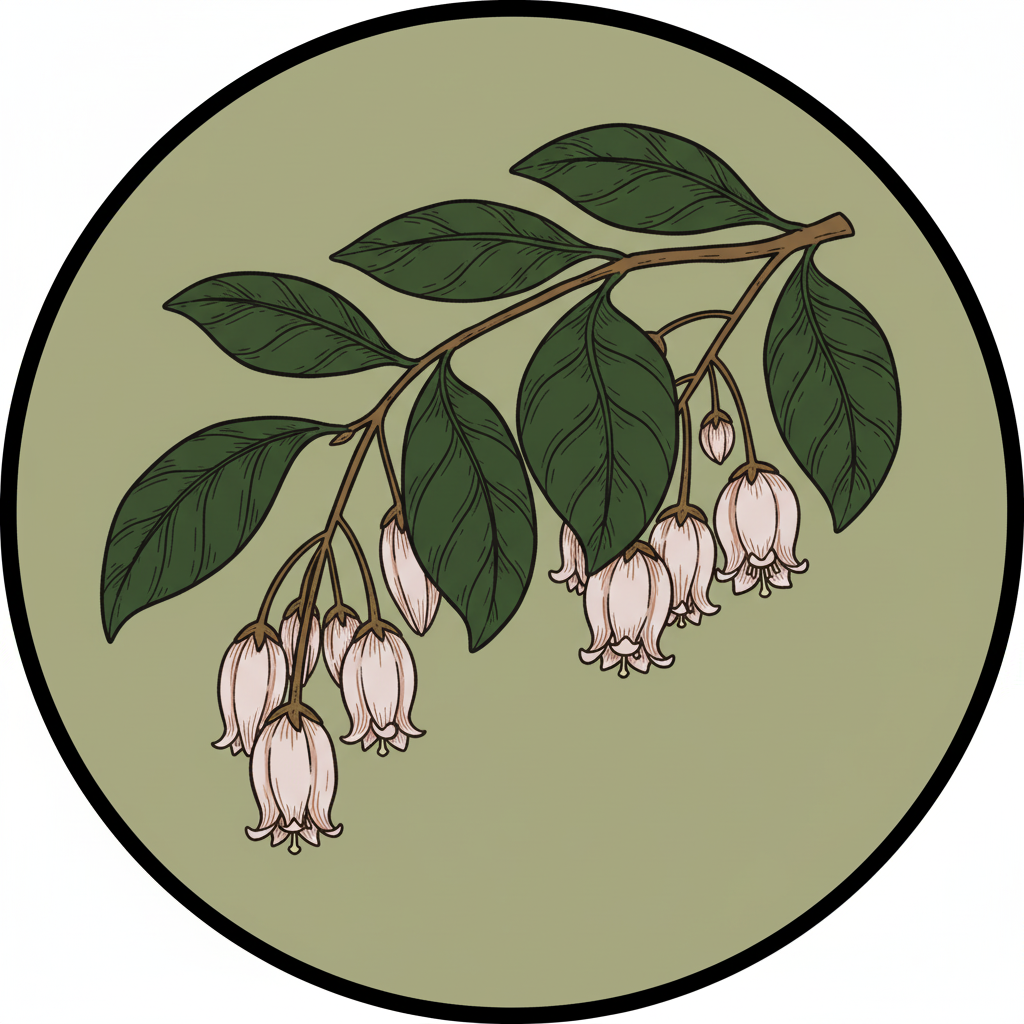
Salal bells nod in coastal wind. Pale pink promises of blue-black berries.
What the season brings?
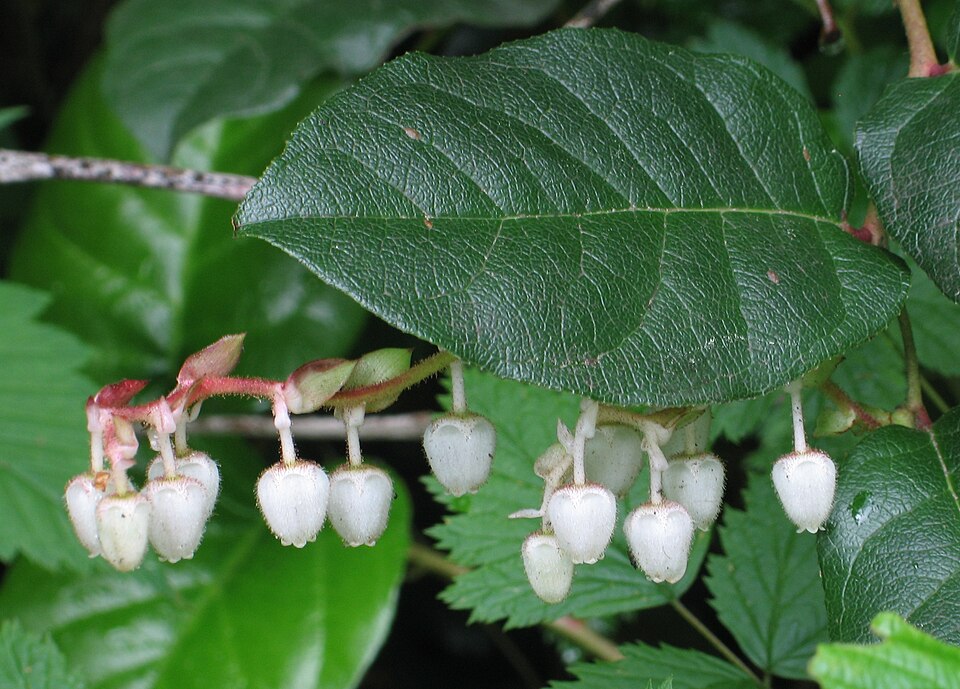
Late May marks the flowering of salal (Gaultheria shallon), one of the Pacific Northwest's most ubiquitous native shrubs, with delicate pale pink bell-shaped flowers nodding along arching stems. These evergreen shrubs grow 1-6 feet tall (occasionally taller) and form the dominant understory vegetation in many coastal and lowland coniferous forests from Alaska to California. The small urn-shaped flowers, arranged in terminal racemes, attract native bumblebees and hummingbirds, while by late summer they develop into dark blue-black berries that were among the most important traditional foods for indigenous peoples throughout the region. Salal berries are sweet with a unique flavor and were eaten fresh, dried into cakes for winter storage, and mixed with other foods. The tough, glossy evergreen leaves are commercially harvested for the floral industry, making salal a significant non-timber forest product in the Pacific Northwest.
Foods to Mark the Season
Strawberry season is in full swing across western Oregon and Washington lowlands—early June-bearing varieties are at peak sweetness. Wild thimbleberries are findable along forest roadsides and clearings in the Olympics and Coast Range. Pacific halibut sport fishing is active on both the Oregon and Washington coasts.
Frequently Asked Questions
Visions of the Season
Read more
Each microseason is approximately 5 days, marking the subtle changes in nature throughout the year.