72 Microseasons of the Pacific Northwest
32/72: Jun 5 to 9
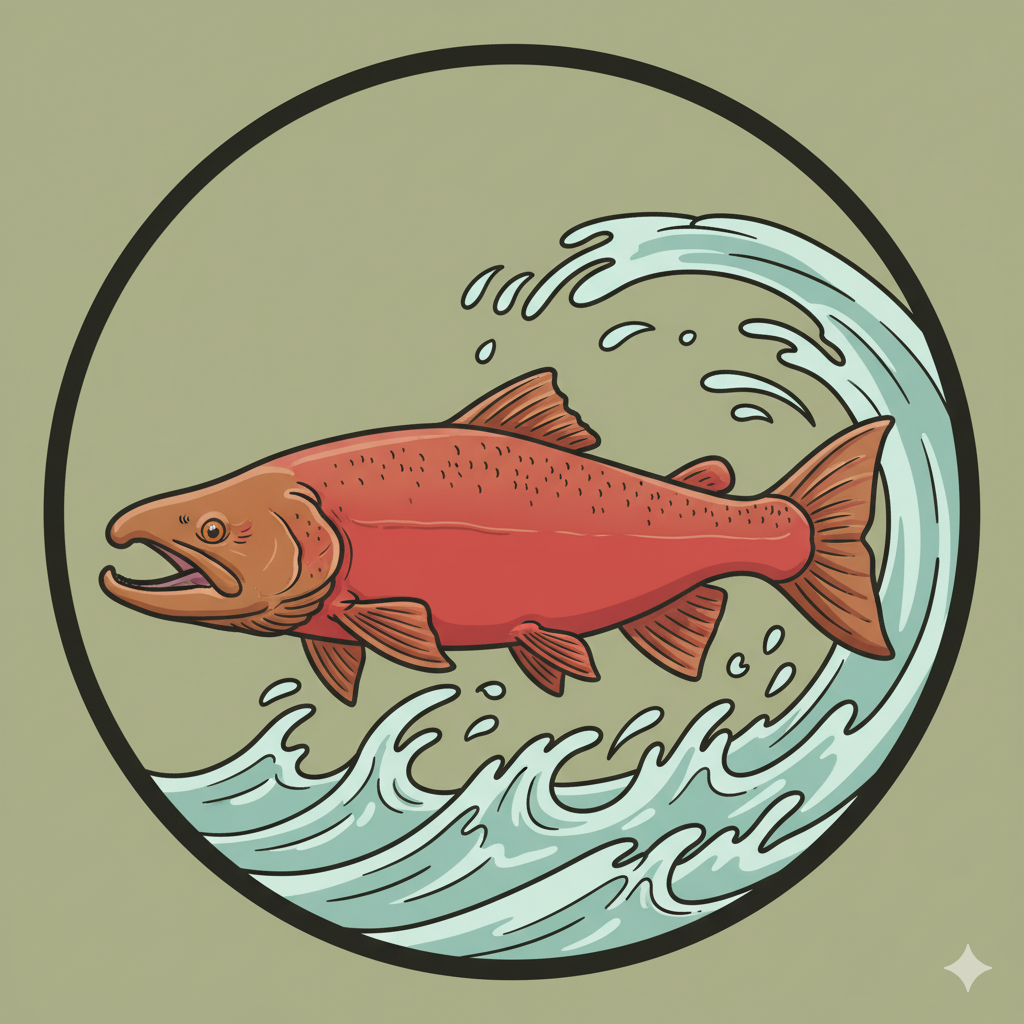
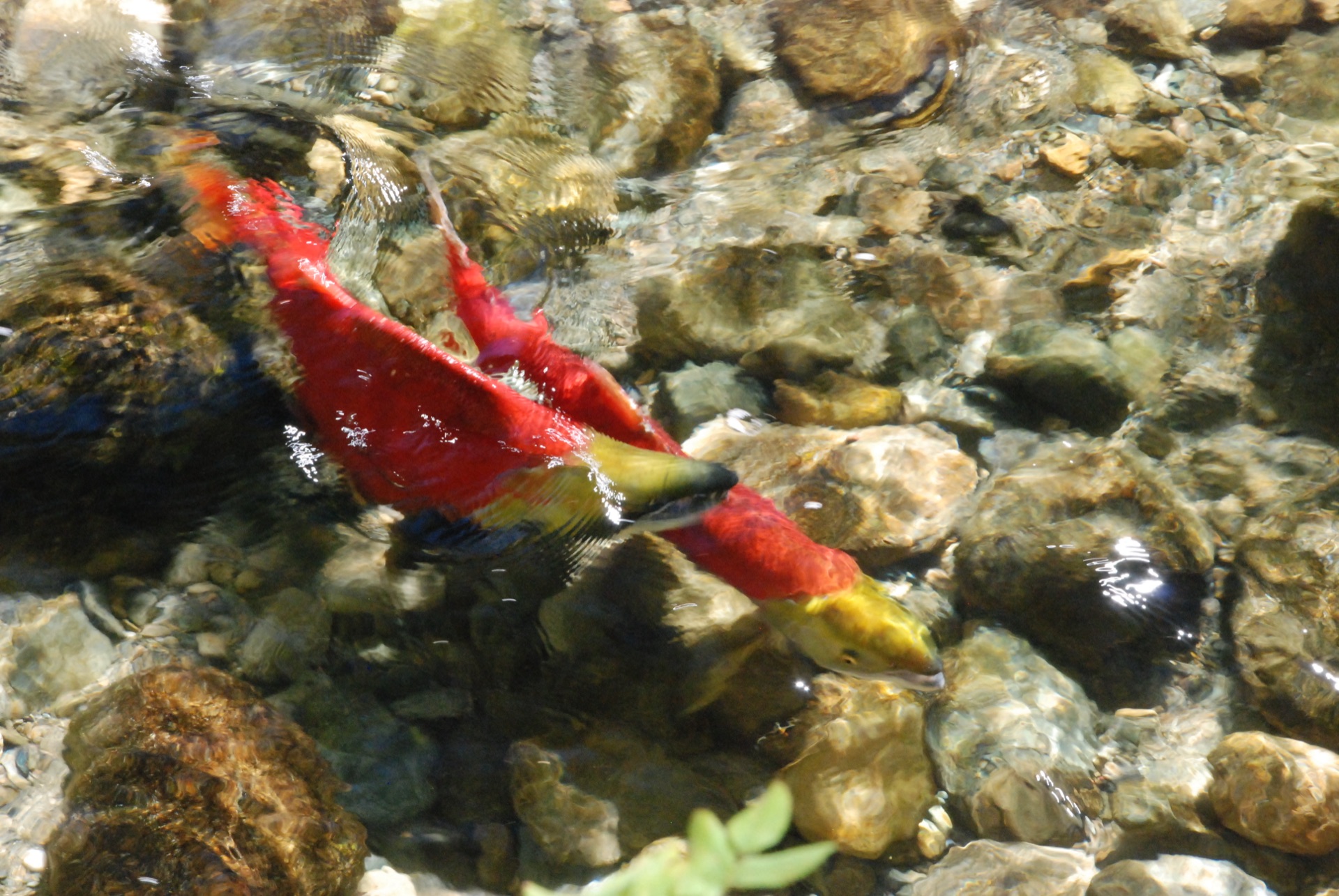
Sockeye enter the river mouths. Crimson tide ascending toward glacial lakes.
What the season brings?
Early June marks the beginning of sockeye salmon (Oncorhynchus nerka) runs into Pacific Northwest rivers, with these brilliant red fish entering river mouths and beginning their upstream migration toward glacial lakes and tributaries. Sockeye are unique among Pacific salmon in requiring lakes for juvenile rearing, with most populations spawning in streams connected to large lakes like Lake Washington, Baker Lake, and numerous British Columbia systems. As sockeye transition from ocean to freshwater, their bodies transform from silver-blue to brilliant crimson red with green heads, creating one of nature's most dramatic color changes. These fish typically spend 2-3 years in the ocean before returning, and their runs can number in the millions in productive years. Sockeye are highly prized for their rich, oily flesh and represent crucial cultural, ecological, and economic resources throughout the Pacific Northwest.
Foods to Mark the Season
Rainier cherry season opens from Hood River and the Yakima Valley—these iconic cream-and-blush sweet cherries have a narrow 4–6 week window and are highly perishable. Willamette Valley strawberries are at full production peak. Recreational Dungeness crab season opens in South Puget Sound (Marine Area 13) in early June, beginning the prime summer crabbing season.
Frequently Asked Questions
Visions of the Season
Read more
Each microseason is approximately 5 days, marking the subtle changes in nature throughout the year.