72 Microseasons of the Pacific Northwest
35/72: Jun 21 to 25
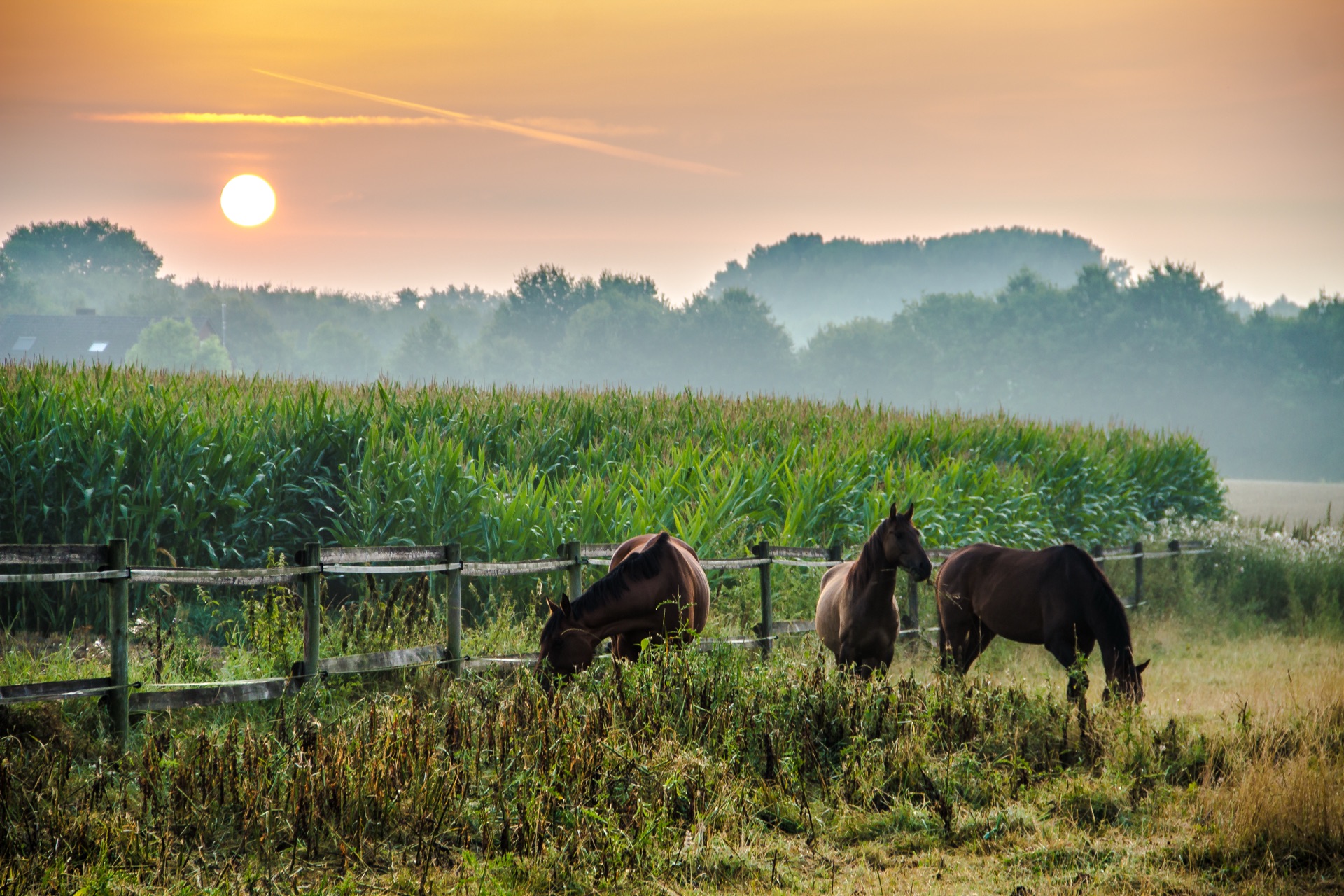
The sun barely sets before rising. Sixteen hours of light, the year's bright apex.

What the season brings?
The summer solstice (around June 20-21) brings the longest day of the year to the Pacific Northwest, with approximately 16 hours of daylight in Seattle and even longer in northern locations. At this latitude (45-49°N), the sun sets after 9 PM and rises before 6 AM, creating extended twilight periods that make evenings feel nearly endless. This astronomical event marks the sun's highest point in the sky and the beginning of summer, though the Pacific Northwest's coolest weather patterns and persistent cloud cover often delay true summer warmth until July. The solstice has been celebrated by indigenous peoples throughout the region for millennia and triggers important ecological rhythms including plant flowering times, bird nesting cycles, and animal breeding seasons. Following the solstice, days shorten by 1-2 minutes daily, beginning the gradual return toward winter's darkness.
Foods to Mark the Season
Blueberry U-pick farms open in Whatcom County (Washington's largest blueberry-producing region) and the Willamette Valley at the solstice—Duke and Earliblue are the first varieties to ripen. Wild huckleberries at the lowest Cascade elevations may begin ripening. The first boysenberries and marionberries appear at Willamette Valley farms, heralding summer berry season.
Frequently Asked Questions
Visions of the Season
Read more
Each microseason is approximately 5 days, marking the subtle changes in nature throughout the year.