72 Microseasons of the Pacific Northwest
48/72: Aug 28 to Sep 1
Mosquito song diminishes. Peak passed, relief approaches.
What the season brings?
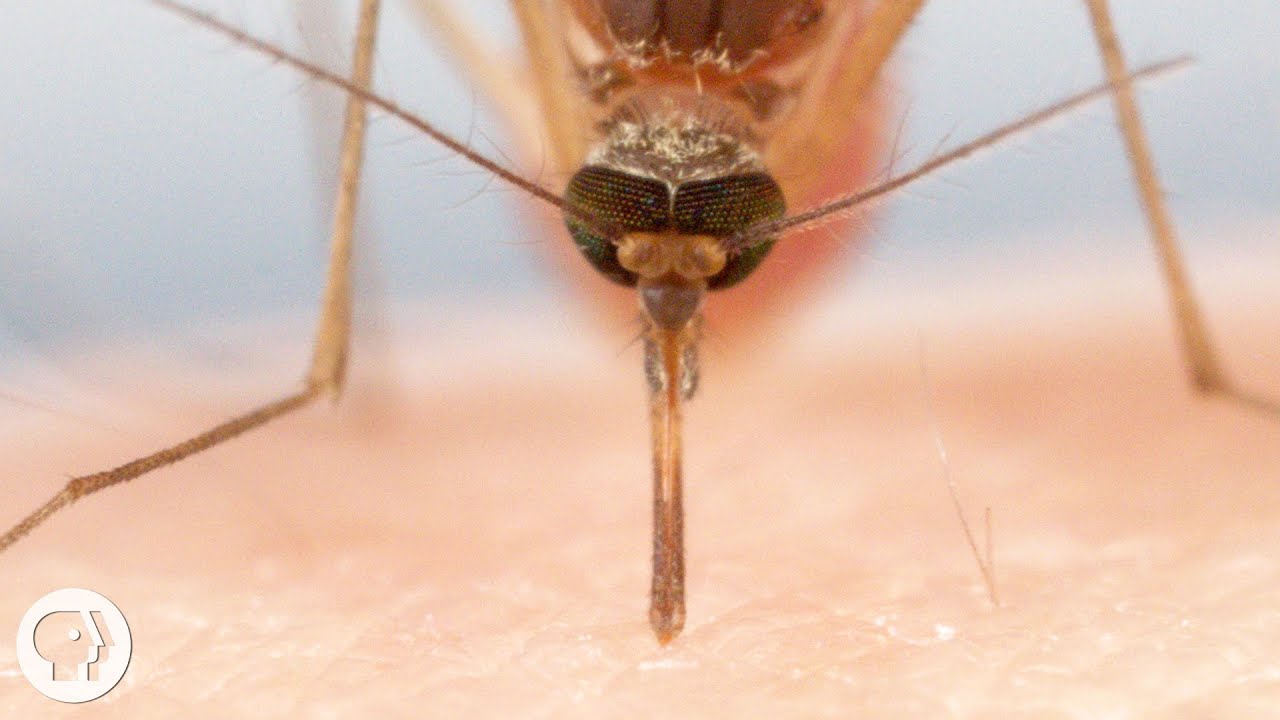
Late August through early September marks the decline of mosquito populations in the Pacific Northwest, bringing relief to hikers, campers, and outdoor enthusiasts. Pacific Northwest mosquitoes (primarily Aedes and Culex species) peak in June and July when temperatures warm and standing water from snowmelt provides abundant breeding habitat. By late August, cooler nights, drying of temporary wetlands, and the completion of most species' breeding cycles dramatically reduce mosquito abundance. Mountain areas see the most pronounced decline as alpine pools dry and temperatures drop, while lowland populations persist longer but at much lower densities. The relief from mosquitoes makes late August through September prime time for mountain hiking and camping, with comfortable temperatures, reduced bugs, and spectacular early fall colors creating ideal outdoor conditions across the Pacific Northwest.
Foods to Mark the Season
Chanterelle season moves into its main phase—western Washington and Oregon's chanterelle crop appears most reliably from late August through November, peaking in October after fall rains. Fall Chinook salmon fishing is strong in the Columbia and Puget Sound tributaries. Hood River Bartlett pears begin ripening, heralding the start of the Columbia Gorge's celebrated pear harvest.
Frequently Asked Questions
Visions of the Season
Related Videos
Read more
Each microseason is approximately 5 days, marking the subtle changes in nature throughout the year.