72 Microseasons of the Pacific Northwest
50/72: Sep 8 to 12
Vine maple begins its fire. High slopes turning yellow to crimson.
What the season brings?
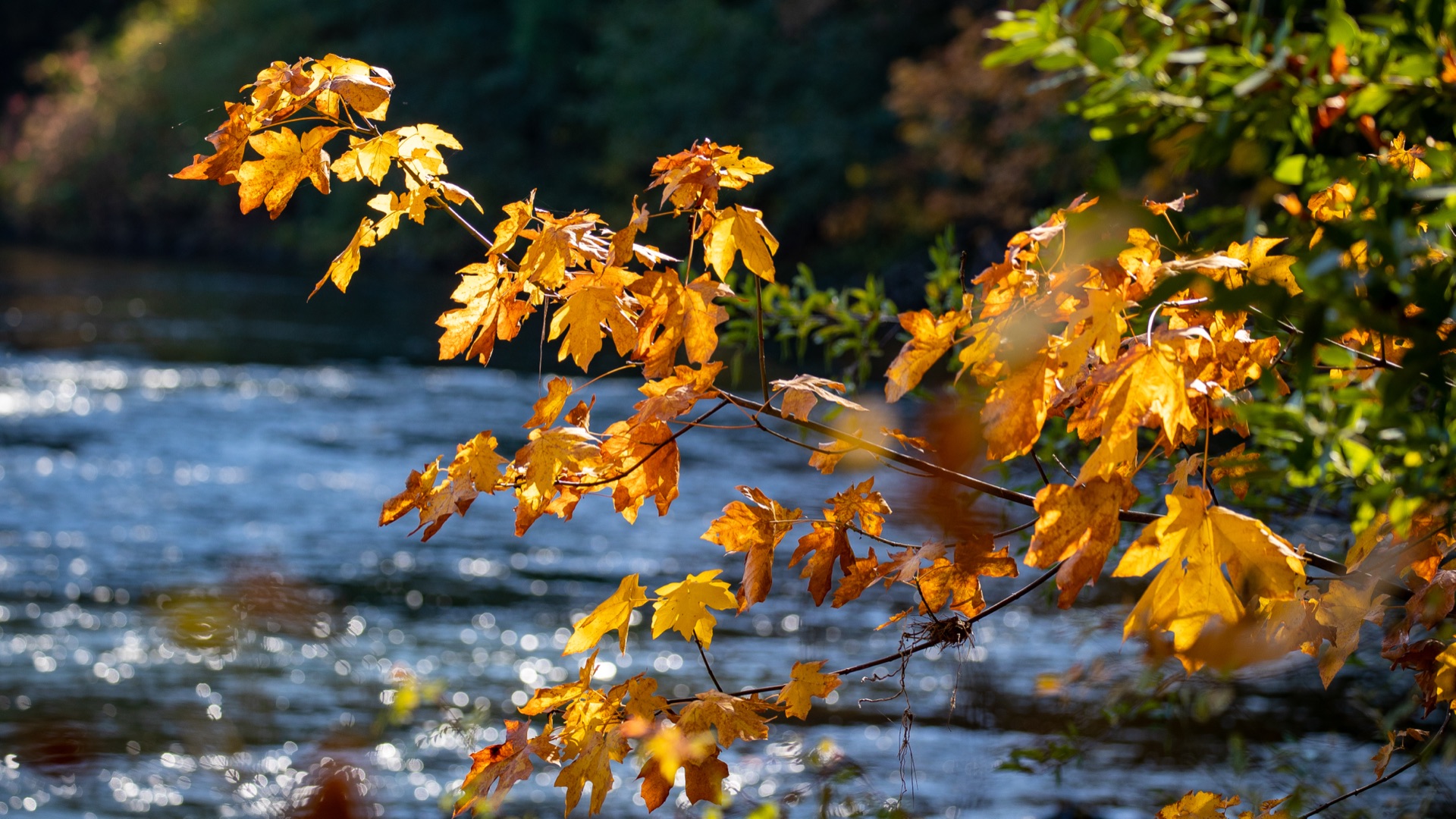
Early to mid-September brings the beginning of fall color to high-elevation slopes throughout the Pacific Northwest, with vine maple (Acer circinatum) leading the autumn display. This understory tree produces brilliant displays ranging from bright yellow through orange to deep crimson-red, often showing multiple colors simultaneously on the same plant. Vine maple thrives in moist forests and along streams from British Columbia to northern California, and its multi-stemmed, sprawling growth habit creates dramatic color patches visible from considerable distances. High-elevation populations (3,000-5,000 feet) begin changing in early September, with color progressively moving downslope through October as temperatures cool. The fall color is triggered by shorter days and cooler temperatures that break down chlorophyll and reveal underlying pigments. Vine maple's spectacular autumn display makes it one of the Pacific Northwest's most beloved native plants.
Foods to Mark the Season
Chanterelle mushrooms are now the defining foraged food of the season—golden chanterelles appear consistently in Douglas fir forests from the Oregon Coast Ranges to the Cascades. Coho salmon are at their run peak in coastal Oregon and Washington rivers. Yakima Valley wine grapes and apples are entering harvest, and Oregon Bartlett pears are widely available at farmers markets.
Frequently Asked Questions
Visions of the Season
Read more
Each microseason is approximately 5 days, marking the subtle changes in nature throughout the year.