72 Microseasons of the Pacific Northwest
56/72: Oct 8 to 12
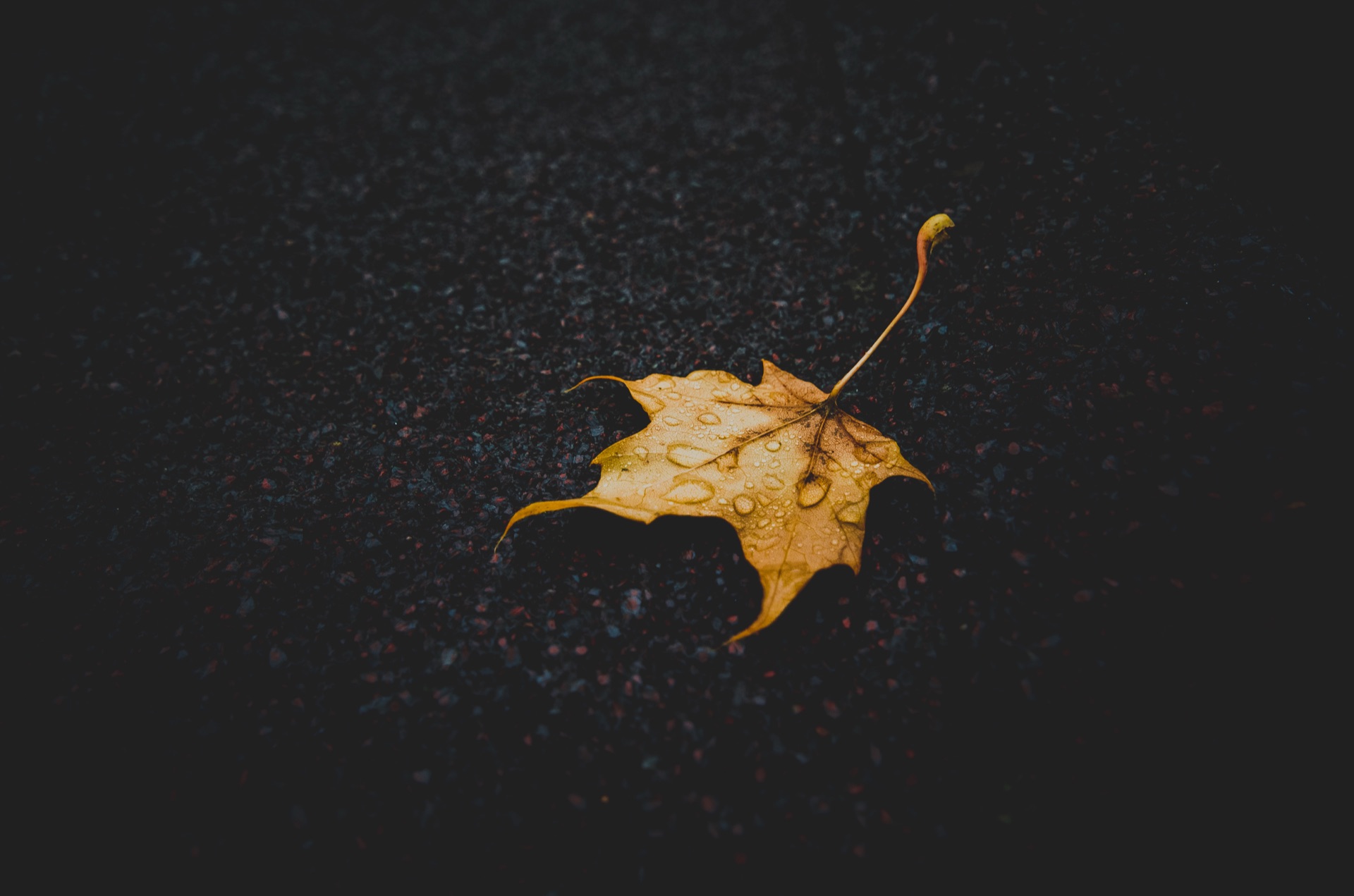
Bigleaf maple flames butter-yellow. Massive leaves like torches in the gorge.

What the season brings?
Early to mid-October brings peak fall color for bigleaf maple (Acer macrophyllum), the Pacific Northwest's largest maple species, with massive leaves (6-12 inches across) turning brilliant butter-yellow to golden-orange. These trees, which can reach 100+ feet tall with trunks 3-4 feet in diameter, create spectacular displays in moist forests, along streams, and in the Columbia River Gorge where they're particularly abundant. Bigleaf maple leaves are among the largest of any maple species worldwide, and their transformation creates dramatic visual impact visible from considerable distances. The trees often host communities of mosses, ferns, and lichens growing as epiphytes on their branches, adding textural complexity to fall displays. Indigenous peoples throughout the region used bigleaf maple for numerous purposes including tools, implements, and food (the sap can be tapped for syrup like sugar maple, though with lower sugar content).
Foods to Mark the Season
Hedgehog mushrooms (*Hydnum repandum*)—easily identified by their distinctive tooth-like spines rather than gills—join chanterelles as one of the safest beginner mushrooms in the Cascades and Coast Range. Willamette Valley hazelnut (filbert) harvest peaks this month—Oregon grows over 99% of the US crop, and freshly shelled filberts appear at Portland-area farmers markets. Chum salmon runs are at peak in coastal Washington rivers.
Frequently Asked Questions
Visions of the Season
Read more
Each microseason is approximately 5 days, marking the subtle changes in nature throughout the year.