72 Microseasons of the Pacific Northwest
61/72: Nov 2 to 6
Mushroom season reaches its zenith. Maximum diversity, the fungal feast.
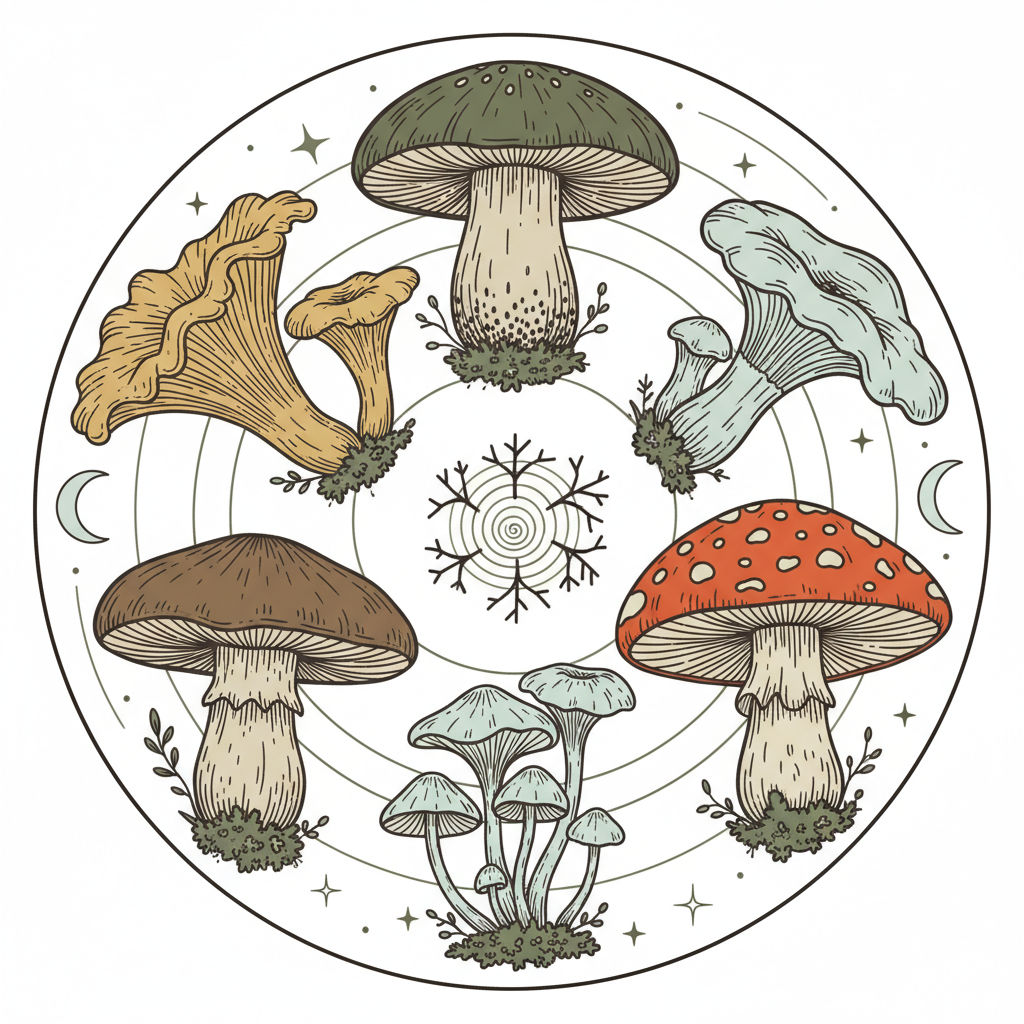
What the season brings?
October-November represents the absolute peak for mushroom diversity and abundance in Pacific Northwest forests. Look for chanterelles (golden trumpets returning to the same spots annually), matsutake still fruiting in its October peak window, hedgehog mushrooms beginning their season, cauliflower mushrooms (rare finds at Douglas fir bases), king boletes, and the toxic-but-beautiful amanitas now dotting the forest floor with their red-and-white fairy tale caps.
Foods to Mark the Season
Chanterelles continue and may peak in a wet November—Oregon's Coast Range and western Cascades are still producing through the first weeks of November. Olympia oysters (*Ostrea lurida*)—the only oyster native to the Pacific coast—are at their cleanest and most flavorful in cold fall water; Puget Sound's Totten and Eld Inlets are key producers. Chum salmon runs continue in Washington rivers, and Oregon commercial Dungeness crab season opens December 1.
Frequently Asked Questions
Visions of the Season
Read more
Each microseason is approximately 5 days, marking the subtle changes in nature throughout the year.