72 Microseasons of the Pacific Northwest
8/72: Feb 4 to 8
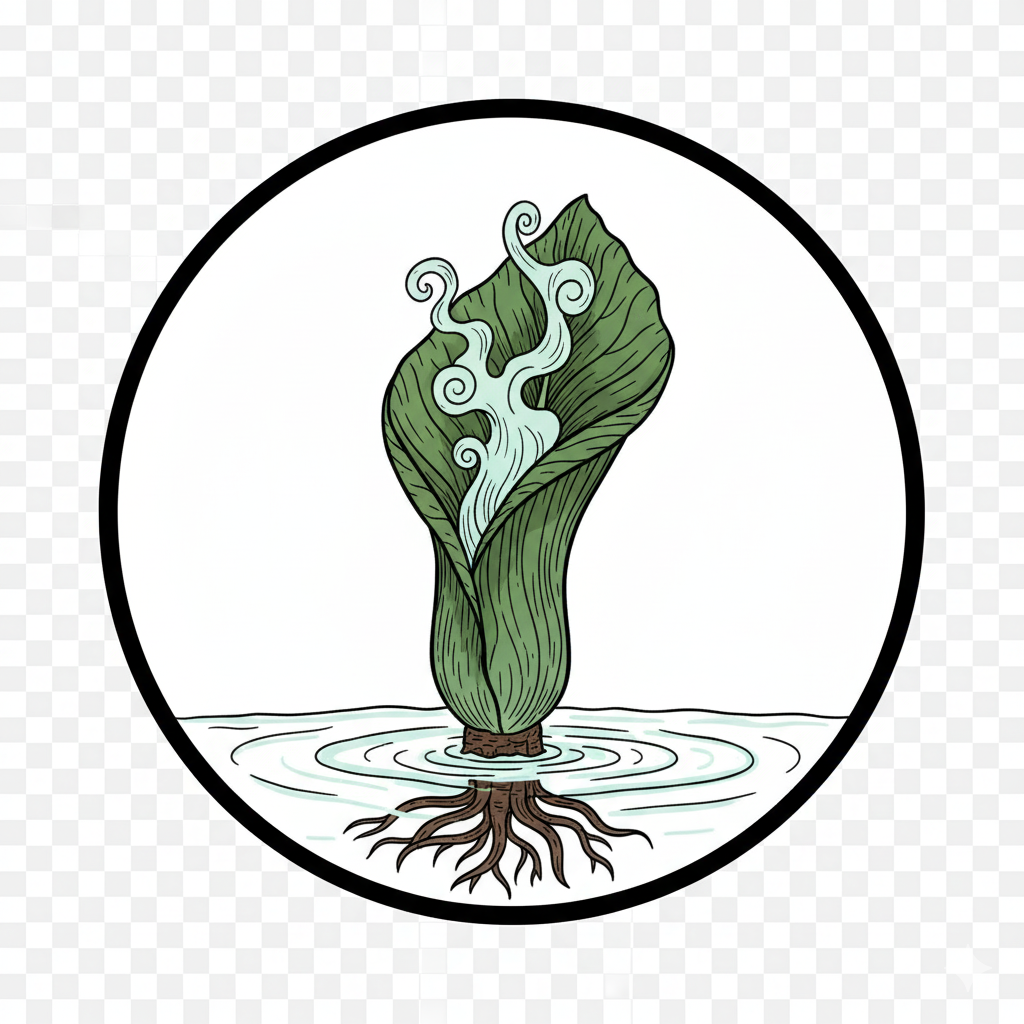
Skunk cabbage unfurls in wetlands Yellow spathes pierce the swamp's cold gloom.
What the season brings?
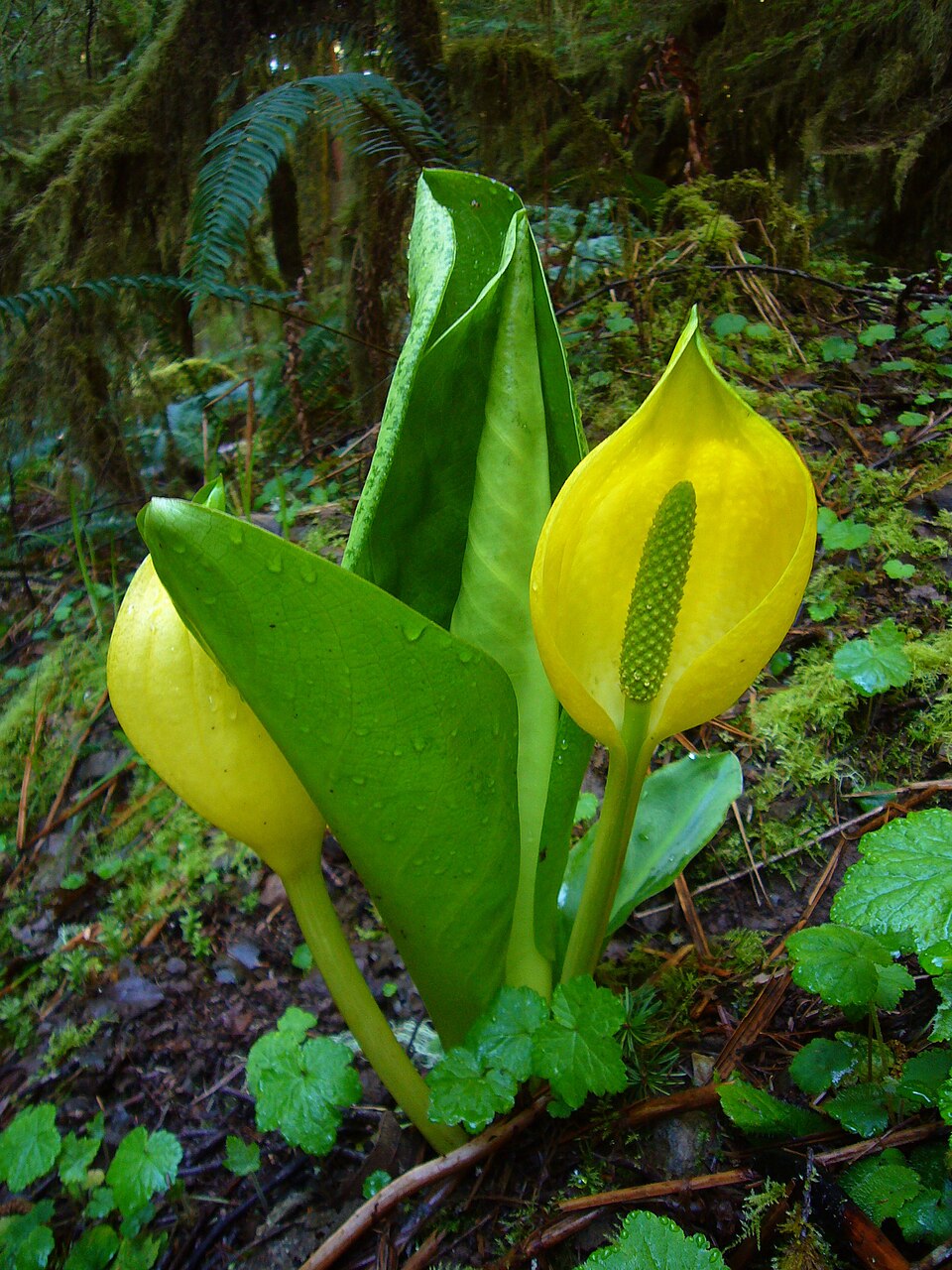
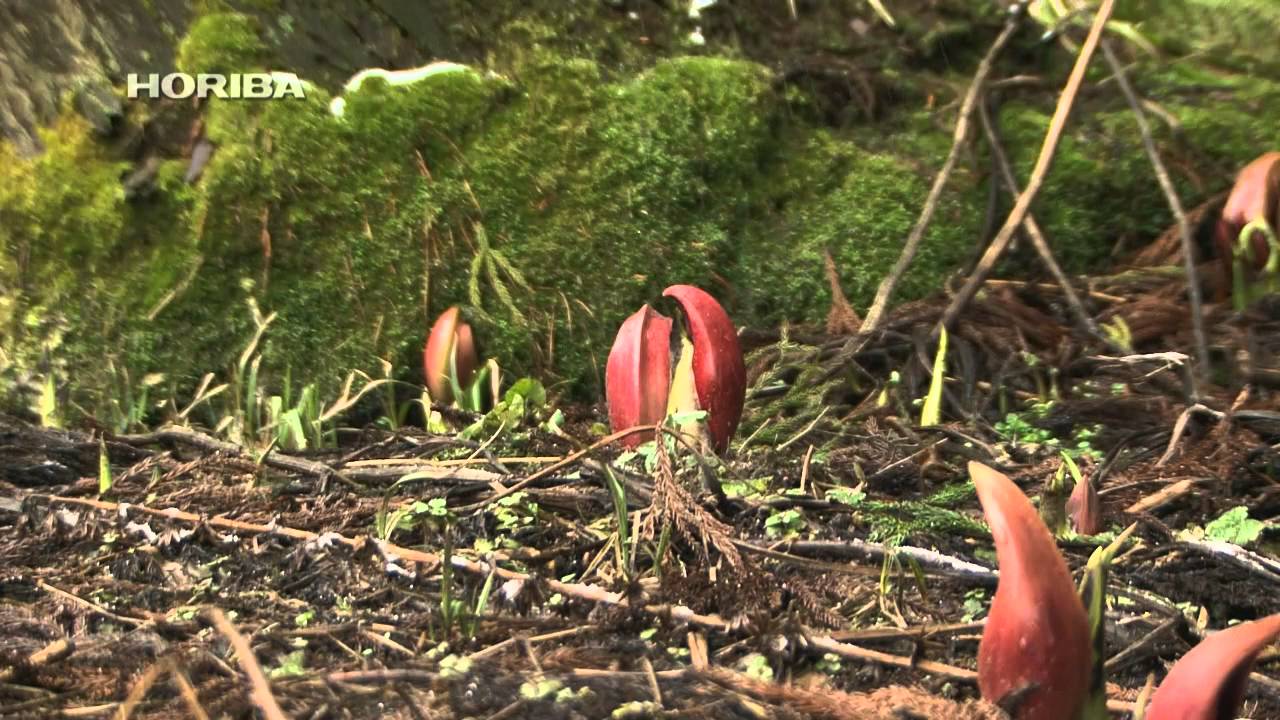
Early February marks the full emergence of skunk cabbage (Lysichiton americanus) across Pacific Northwest wetlands, with bright yellow spathes unfurling to reveal the complex flowering spadix inside. These dramatic plants, which can generate heat through thermogenesis to melt through late snow, create splashes of brilliant yellow in otherwise muted winter landscapes. The yellow spathe serves as a hood protecting the actual flower spike, while the plant's distinctive skunk-like odor attracts early-season fly and beetle pollinators. Look for these plants in swamps, along streams, and in wet forests from southwest British Columbia through Oregon, where they often form large colonies. Indigenous peoples throughout the region traditionally used skunk cabbage leaves for lining berry baskets and cooking pits, though the raw plant contains calcium oxalate crystals that make it toxic without proper preparation.
Foods to Mark the Season
Stinging nettles push up their first tender shoots in damp lowland areas—stream banks and disturbed rich soils from BC south to the Willamette Valley. Miner's lettuce (*Claytonia perfoliata*) begins appearing on shaded forest floors and roadsides, one of the earliest forageable greens of the year.
Frequently Asked Questions
Visions of the Season
Related Videos
Read more
Each microseason is approximately 5 days, marking the subtle changes in nature throughout the year.