72 Microseasons of the Pacific Northwest
40/72: Jul 17 to 22
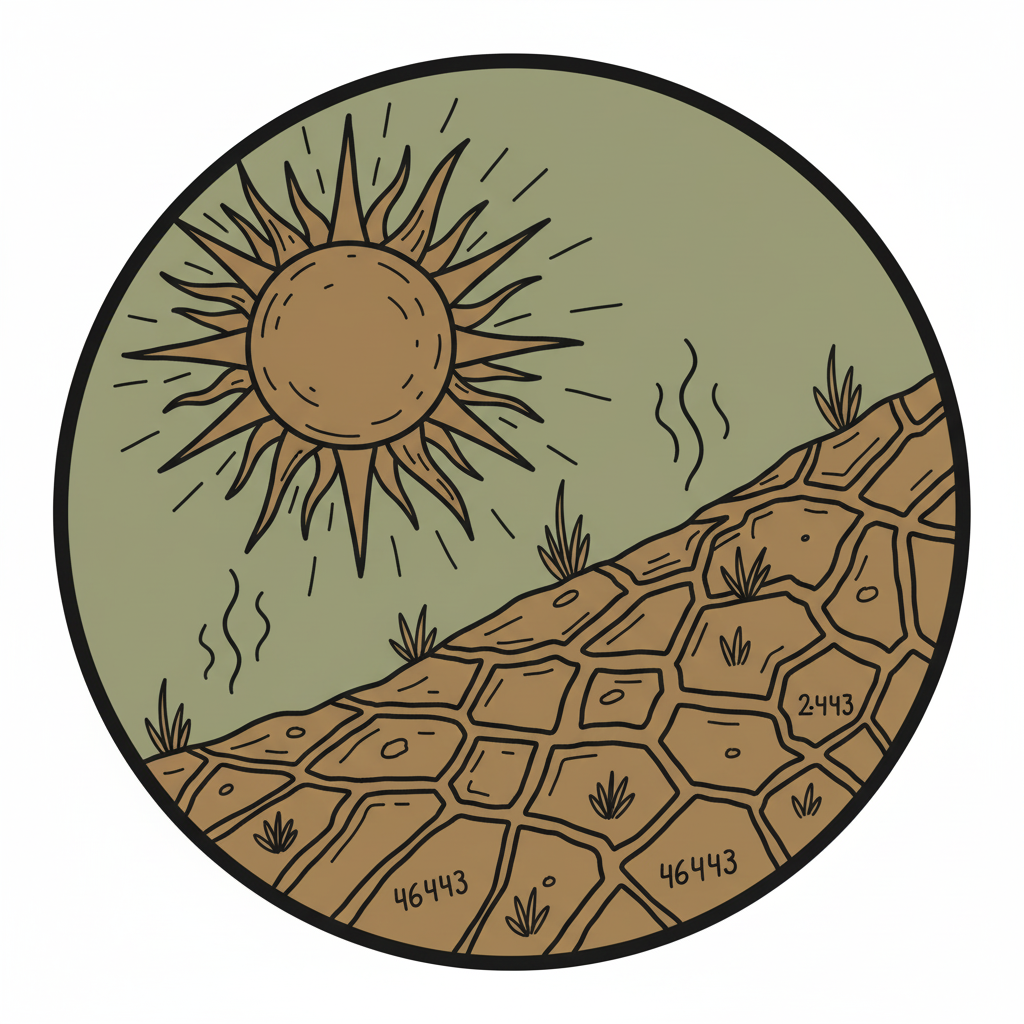
Heat settles deep and dry. The warmest days, dust on the trail.
What the season brings?
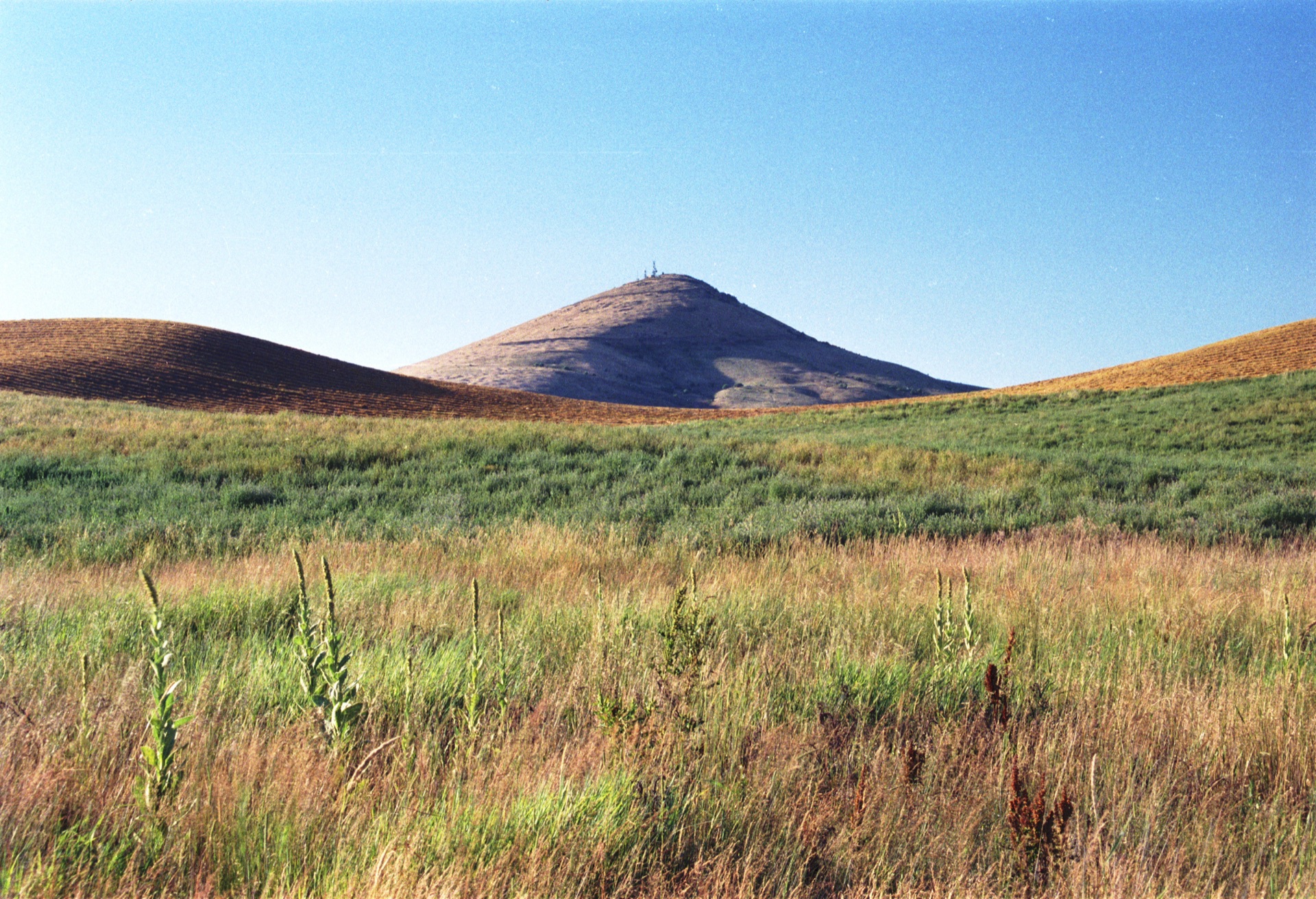
Late July typically brings the Pacific Northwest's warmest and driest conditions, with temperatures frequently reaching 80-90°F in lowland areas and occasional heat waves pushing above 95-100°F. This period represents peak summer, with minimal precipitation, low humidity, and maximum solar radiation creating ideal conditions for outdoor activities but also increasing wildfire risk. Trails become dusty, streams run low, and vegetation shows signs of drought stress with browning grasses and curling leaves on some plants. The warm, dry conditions concentrate wildlife near remaining water sources and trigger important ecological processes including berry ripening, seed dispersal, and preparation for fall migrations. While temperatures this high are uncomfortable for some, they're essential for ripening crops, warming swimming holes, and creating the classic Pacific Northwest summer experience of hot days and cool evenings.
Foods to Mark the Season
Fall Chinook salmon begin showing in ocean fisheries and lower rivers—the prized "Bright" Columbia fall Chinook are among the most sought-after eating salmon in the Pacific Northwest. Peaches are at peak in the Yakima Valley and Rogue Valley. Wild Himalayan blackberries are ripening in lowland disturbed areas, and huckleberries are findable at mid-elevations throughout the Cascades.
Frequently Asked Questions
Visions of the Season
Read more
Each microseason is approximately 5 days, marking the subtle changes in nature throughout the year.